 Hand it off
Why your radiators won't heat up in Florida
Once you send the form, finding a pro is off your list.
A boiler that won't send heat to the radiators is unusual in a Florida house to begin with, since most homes here heat with electricity. If yours runs on a boiler, it's probably an older setup, and when it stops working you don't have a backup system to fall back on.
Cold radiators with a boiler that seems to be running usually point to something specific. Air trapped in the lines, a circulator pump that's stopped moving water, a zone valve stuck shut, low water pressure in the system. Sometimes the boiler fires and the water never leaves the unit. Sometimes it leaves the unit and never reaches the far radiators. These aren't the same problem, and they aren't fixed the same way.
This isn't a system most people here deal with often, which means it's not a system most heating companies here deal with often either. You want someone who still knows boilers, who's worked on the zone valves and circulator pumps and pressure tanks that a Florida AC company might not see twice a year. Someone local, who can get to your house, and who's licensed to do the work.
Send the request and that search becomes someone else's job instead of yours. You're not getting handed a list of five companies to call and vet yourself. One licensed contractor near you, who works on boilers and knows what tends to fail in one, gets your information. From there it's off your plate.
Florida summers are muggy enough without spending them worrying about whether the heat will work when it finally cools off. Get the radiators looked at now, while you have the time to deal with it properly, rather than waiting for the first cold morning to find out what's wrong.
Why won't my radiators heat up even though the boiler runs?
The boiler fires up, maybe even runs for a while, but the radiators stay cold or only warm up partway. That's confusing when the heat source itself seems fine. Most of the time the problem isn't the boiler at all. It's something stopping the hot water from actually reaching the radiators, or stopping it from moving through them the way it should.
Air or a stuck valve is usually blocking water flow to the radiators
A boiler that runs but doesn't heat the radiators usually means the hot water isn't getting where it needs to go. Air trapped in the system is the most common cause, and it collects at the top of a radiator and keeps water from filling the rest of it, so the bottom stays cold or the whole thing stays lukewarm. A stuck zone valve or a circulator pump that's failed can do the same thing by stopping flow before it ever reaches the radiator. On an older boiler, which is what you're likely dealing with in a Florida house, these parts have had years to wear down without anyone around who works on this equipment often enough to catch it early.


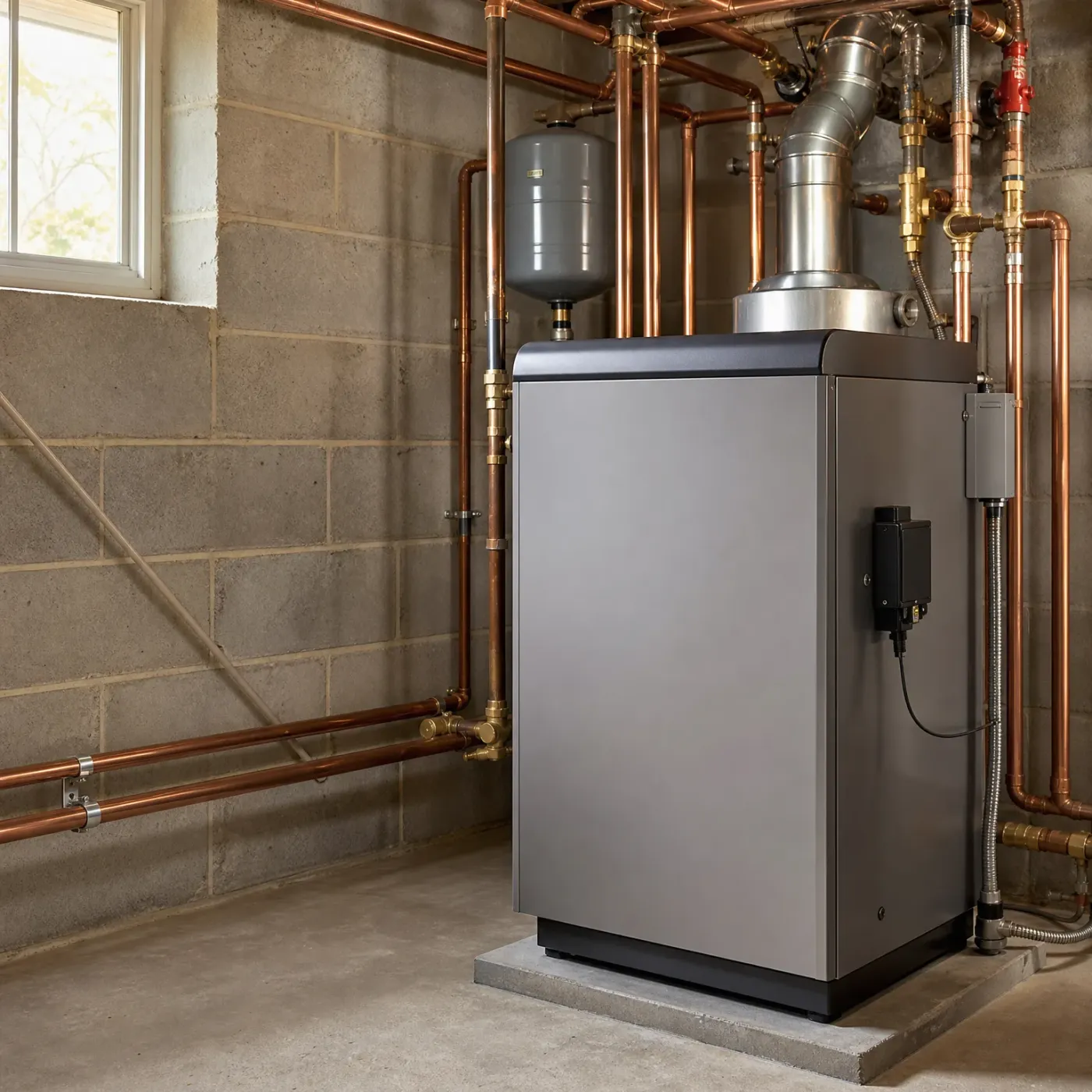
Hand off the boiler problem
Your request goes to one pro, not a list of companies.
After you send the request, you're done searching.
Sending the form costs nothing.
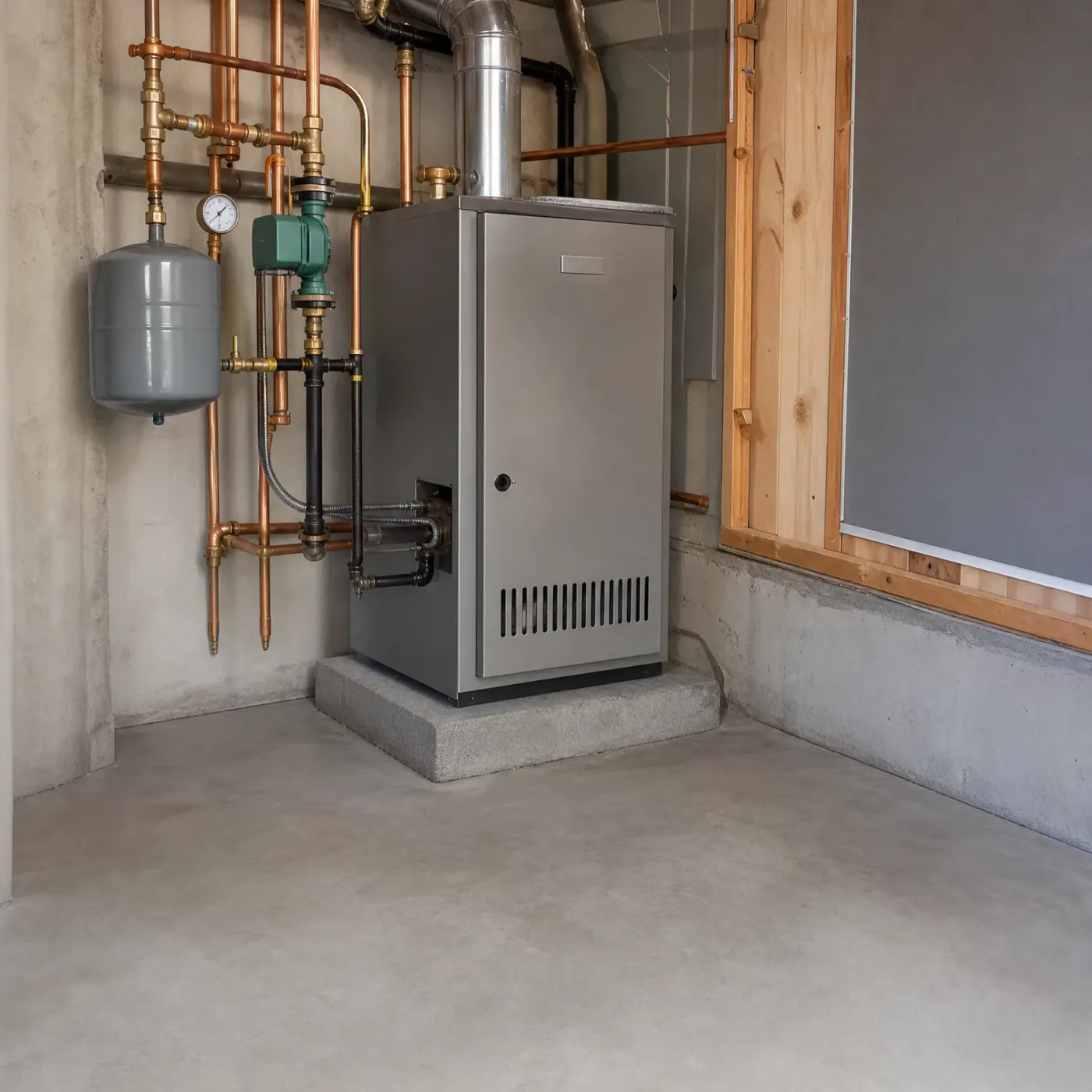
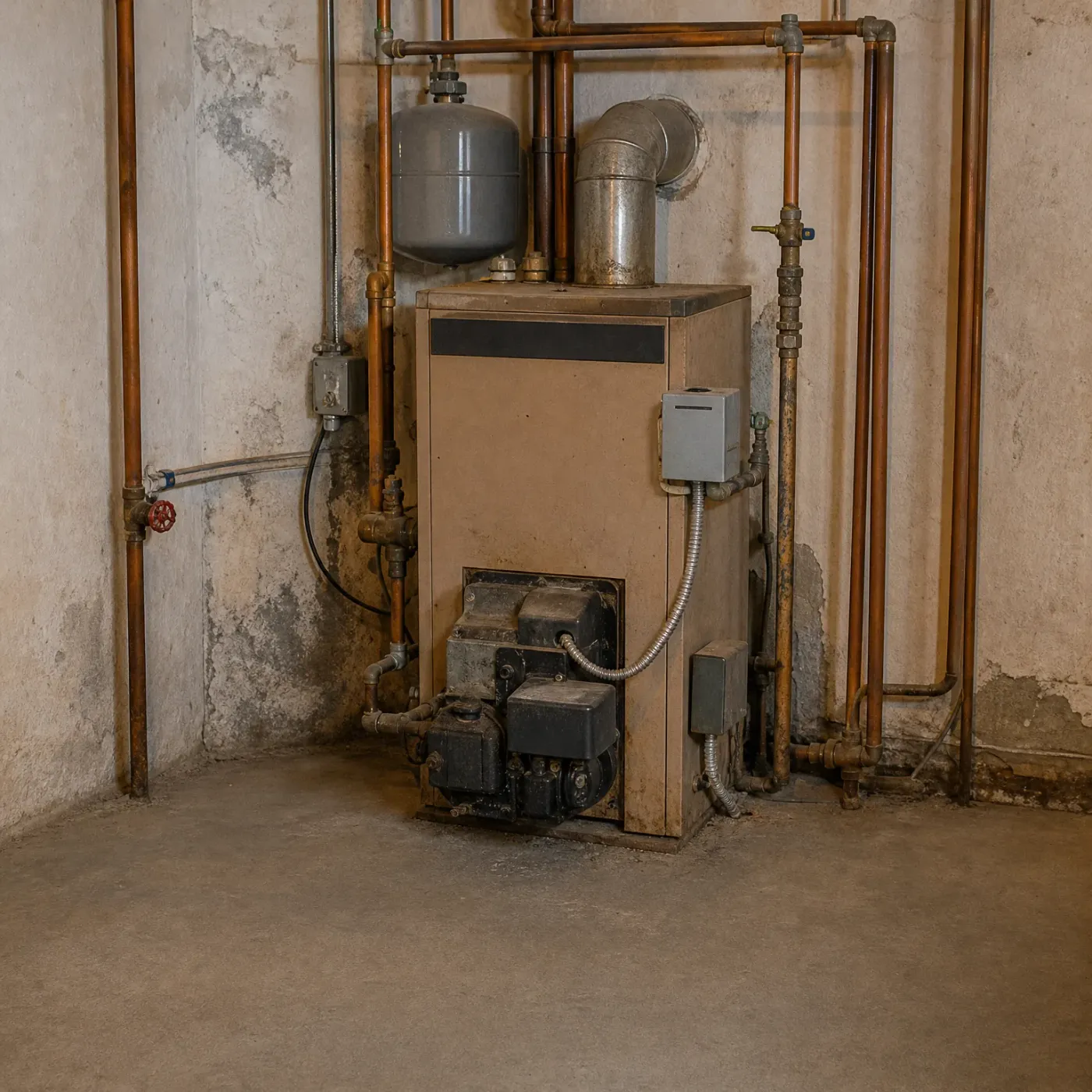
A boiler like yours is likely one of the few left in your neighborhood, which means a stuck radiator isn't something you can wait out the way a neighbor with electric heat might shrug off a cold room. On a cold snap here, a house that depends on that system for every bit of its heat can leave you layering blankets while the boiler itself runs and burns power the whole time, since it has no idea the water isn't moving. Trapped air or a failing pump doesn't fix itself, and the longer a radiator sits cold, the more likely corrosion or sediment is building somewhere in that loop, which makes the eventual repair bigger than it had to be. A house this dependent on one aging system doesn't have a backup to lean on, so a problem that starts in one room tends to spread to the next one as pressure or circulation gets worse. None of this is reason to panic. It just means a boiler that's heating unevenly now is worth having looked at before it stops heating at all.





Boiler fires and heats water, but air pockets block flow
Trapped air collects at the top of each radiator
Water can't push past the air to fill the radiator
Bleeding the valve lets trapped air escape and water in
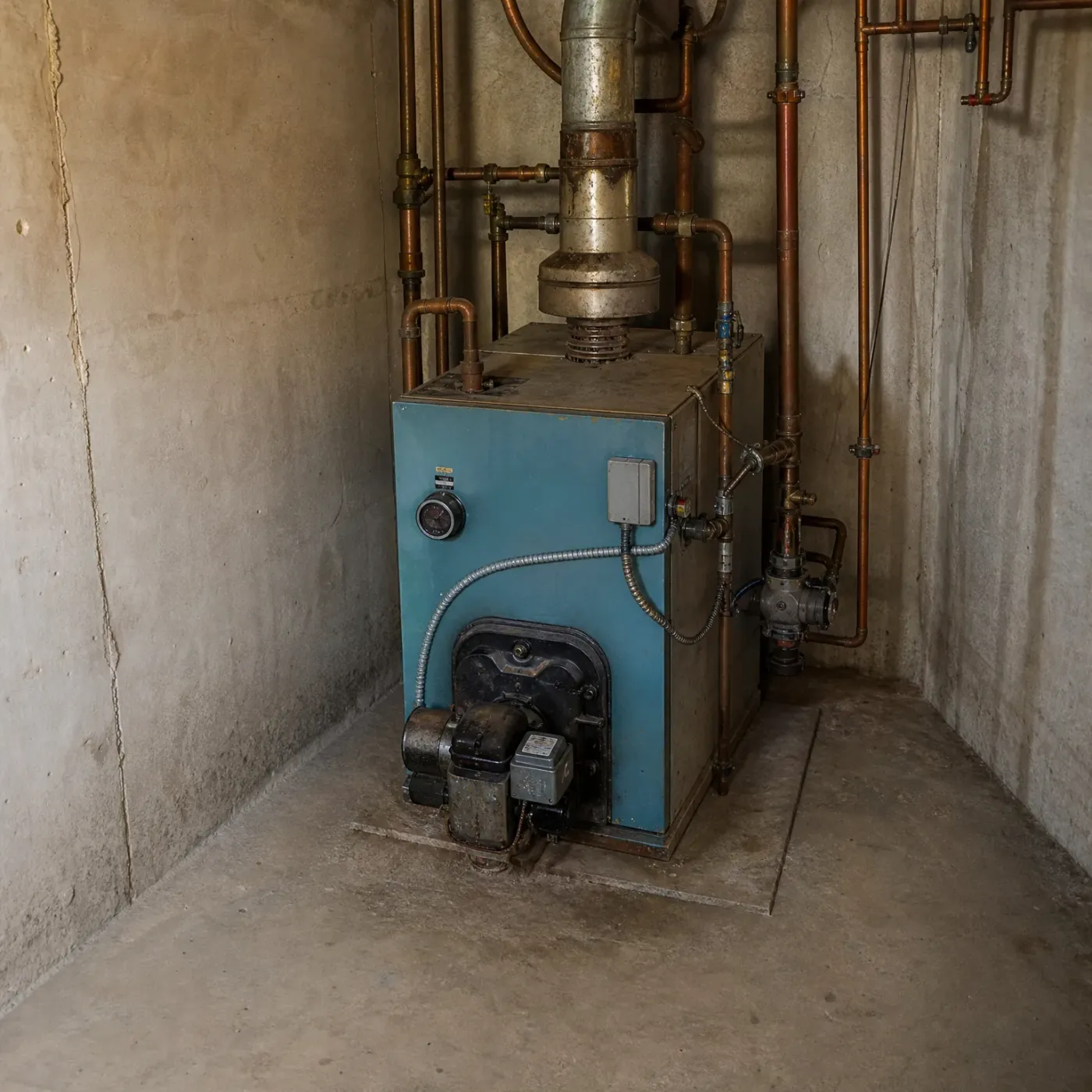
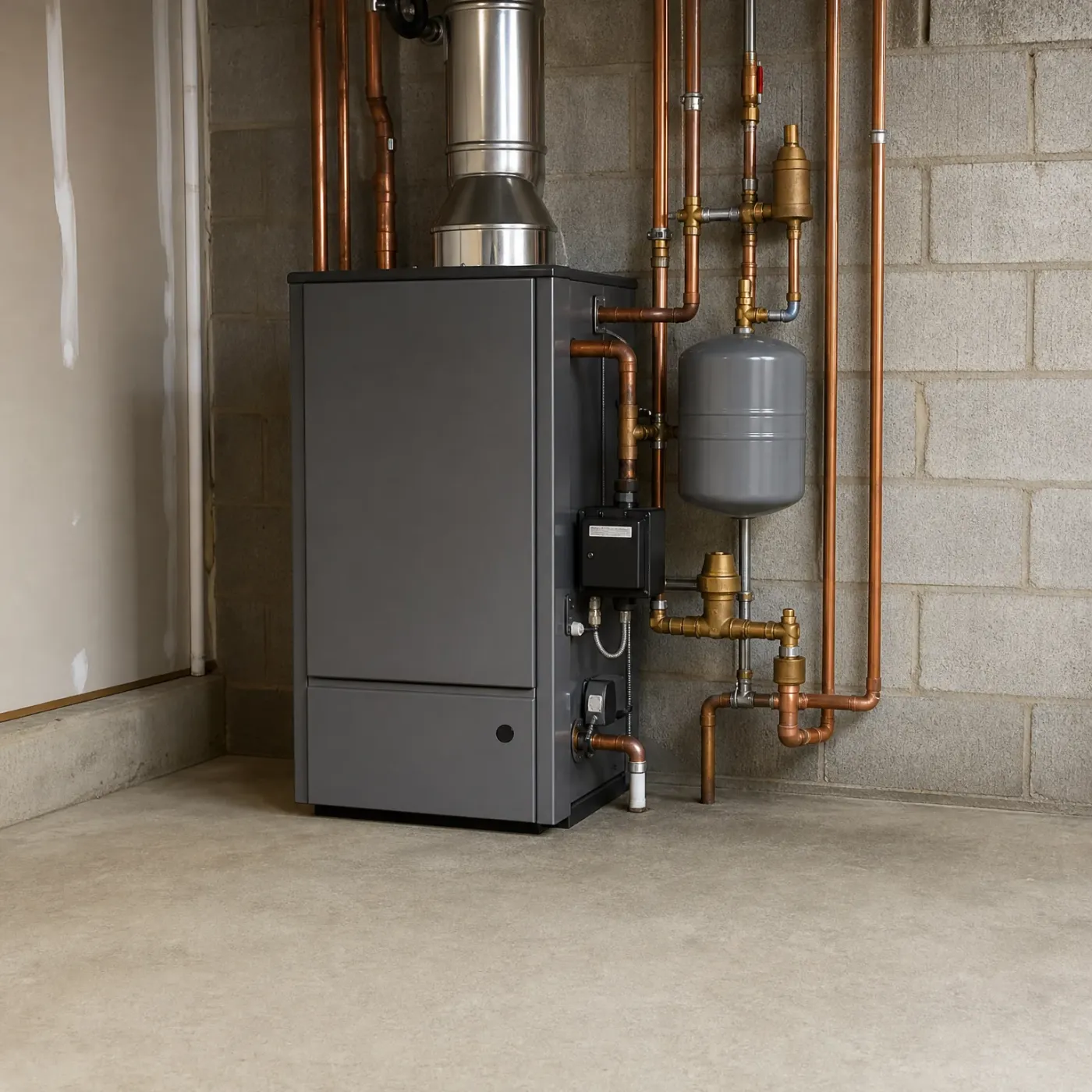
A radiator with trapped air feels cool at the top and warm at the bottom, because the air collects high in the unit and blocks the hot water from filling that space.
Bleeding the valve lets that air out, and once it does, water fills the radiator fully and the whole unit heats evenly, top to bottom.
Winter nights average 52°F statewide
52°F is a mild night by most standards, but it's still enough to call for heat, and in your house that means the boiler firing and pushing water out to the radiators. On a night like that, a stuck valve or an air pocket somewhere in the line is the difference between a warm room and a cold one.
NOAA nClimDiv 1991-2020 county normals weighted by homes
What's Keeping Your Radiators Cold
- A boiler that runs but leaves radiators cold almost always comes down to trapped air, uneven pressure, or a stuck valve.
- None of those problems clear up on their own, and the boiler will keep firing without actually heating the house.
- A local contractor who works on boilers all winter knows which of these three to check first and why.
- Because your request goes to one licensed contractor instead of several companies, you deal with a single call back, not a pile of them.
- That contractor knows this equipment is rare in Florida homes now, and treats a cold radiator here as the whole heat source at risk.
- Once the real cause is found, getting water moving again through every radiator is usually straightforward work.
The boiler running without heat reaching the radiators comes down to one of three things: air trapped in the lines, pressure that's drifted off, or a valve that's stuck instead of open. None of those fix themselves. The boiler keeps firing, the burner keeps using fuel, and the radiators stay cold or half warm regardless. That's wasted effort for a system you're depending on, not a problem that improves by waiting.
A boiler in a Florida house is uncommon enough now that whoever works on it needs to actually know this equipment, not just heat pumps and electric furnaces. A contractor who services boilers through the winter has seen this exact complaint before, radiators cold while the boiler runs, and knows to check air and pressure and the valves before anything else. That's the difference between a visit that finds the cause in one pass and one that doesn't.
Your request goes to a single contractor, licensed and local, not out to several companies at once. One call back, not a pile of them, and that one contractor already knows the equipment and the stakes of a boiler failing in a house that has no backup heat behind it. For a system this rare in your area, that matters more than it would with something every other house on the block already has.
Once the actual cause gets found, whether it's air to bleed, pressure to correct, or a valve to open or replace, getting water moving through every radiator again is ordinary work for someone who does it regularly.
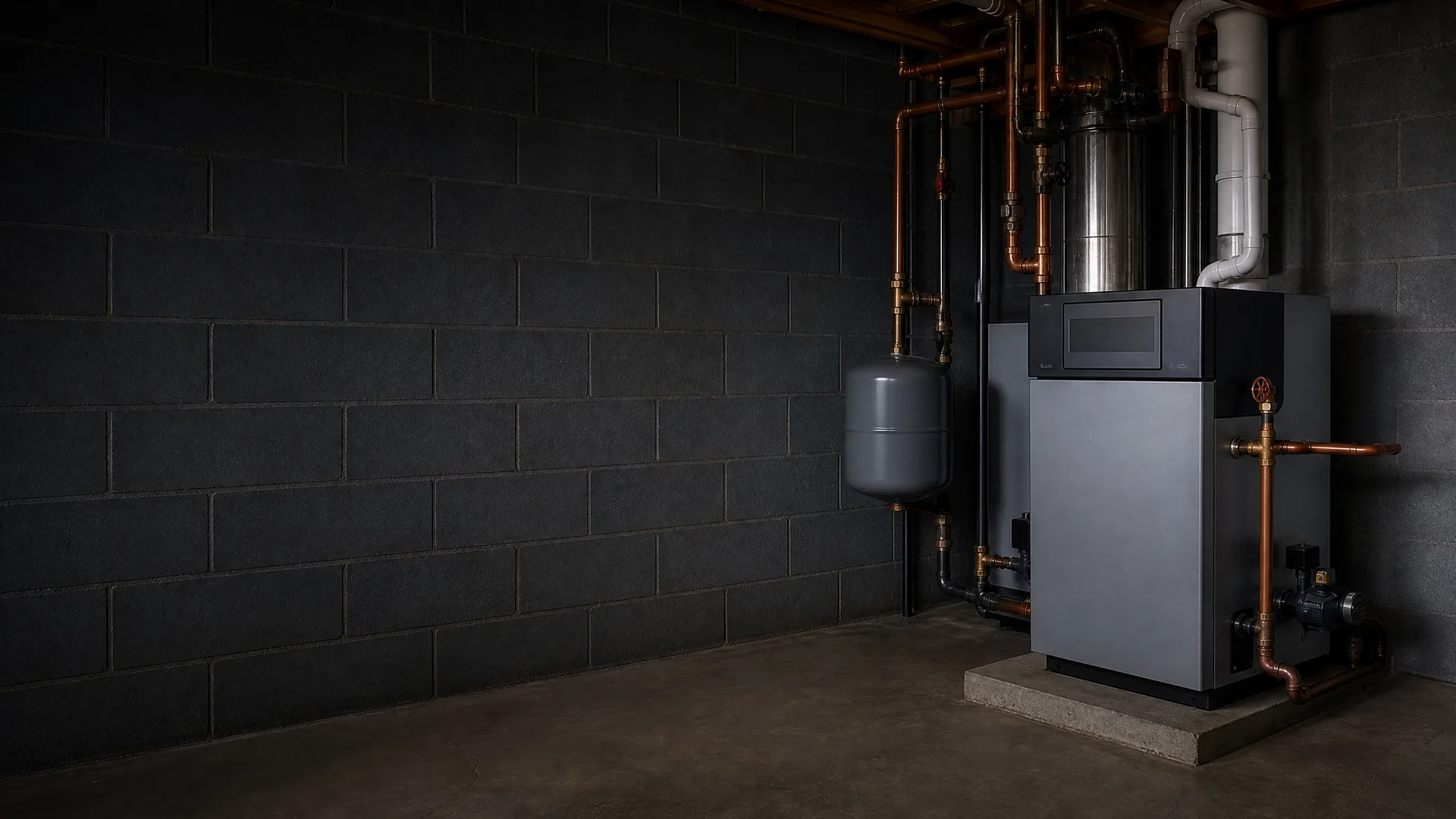
Send one request and you're done looking
The pro who reaches out is licensed in Florida.