
15 to 20 years
That's the typical working life of a residential boiler. Past that range, the heat exchanger and other internal parts wear thin, and replacement becomes the more reliable move.
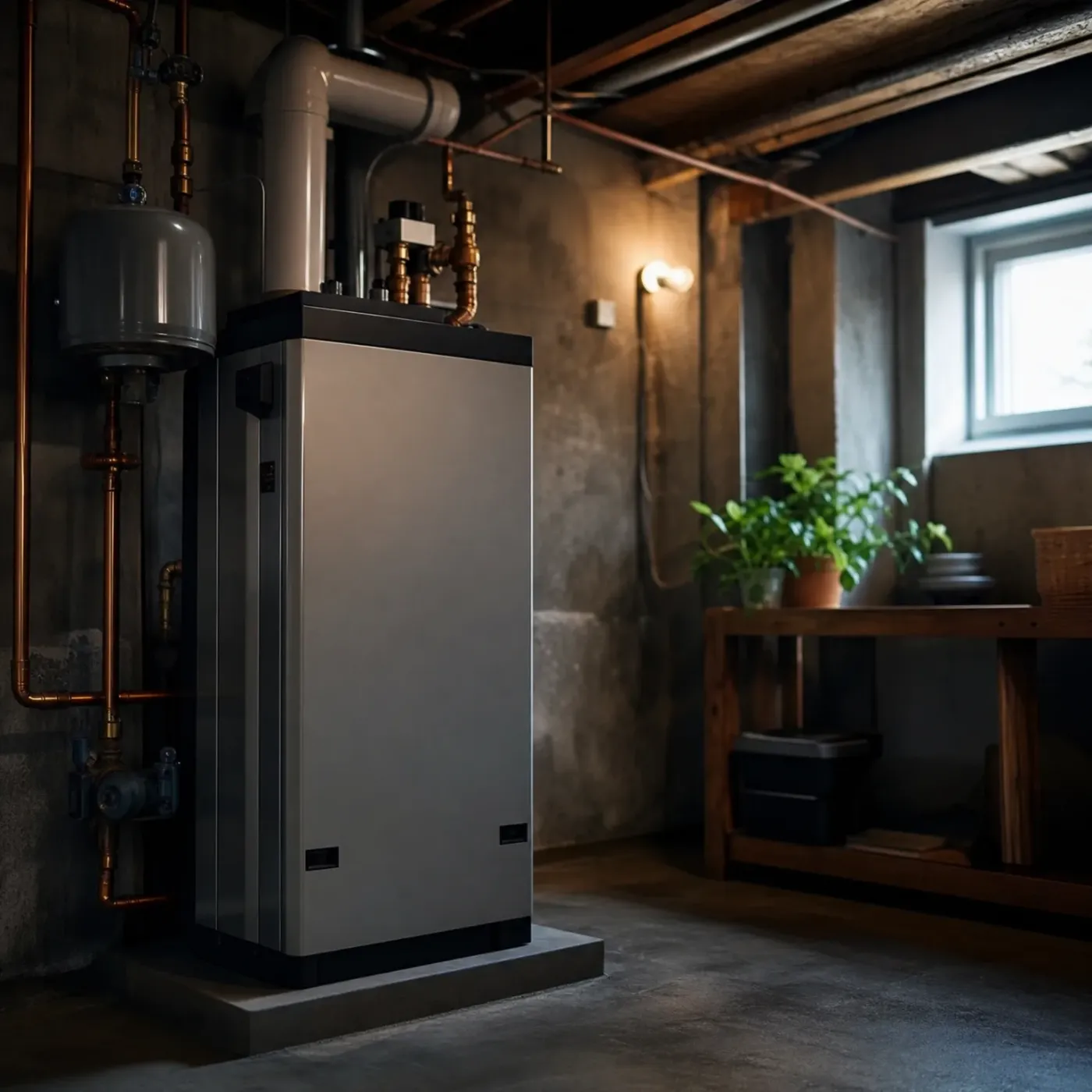
Get matched with a boiler pro in Broward County
Boilers are rare in Fort Lauderdale, where most homes run on electric heat, so if yours is struggling you want a straight answer, not a guess. Below is what actually signals a boiler is done versus still fixable. If you decide it's time, a local contractor who works on boilers in Broward County can look at yours and tell you what it needs.
Match me with a proA boiler in Fort Lauderdale is usually worth replacing once it needs a major repair, like a failed heat exchanger, or once it's old enough that parts are hard to find. That point comes faster here than it would somewhere with hard winters. Your boiler probably only runs a handful of days a year, so it sits idle most of the time, and idle equipment corrodes and seizes in ways that running equipment doesn't. A seal dries out, a valve sticks, and the first cold snap in November or December is when it shows. If yours is leaking water, short-cycling, or needs a new circulator pump or expansion tank, that's usually the sign to stop repairing and replace it, since a boiler that's failing in several places at once rarely makes sense to patch one part at a time. A straight repair for one worn part is a different story, and a contractor who knows boilers can tell you which one you're looking at.




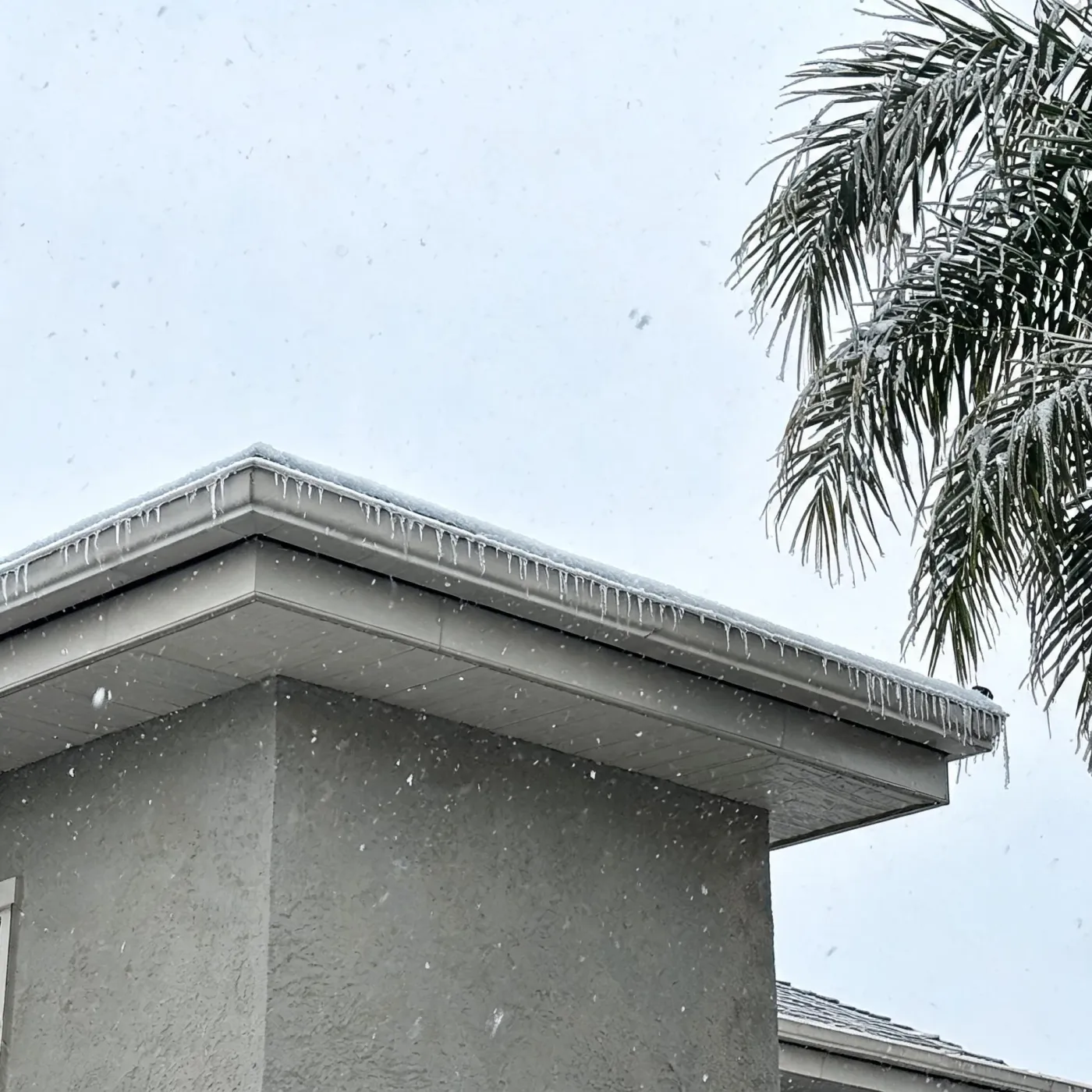
58°F is about what a winter night runs here, on average across December, January and February, per NOAA climate records for Broward County. That's not cold enough to work a boiler hard. Most nights it only has to raise the house a few degrees, then it sits idle most of the day. A boiler that barely gets used still needs to start up clean when it's called on, and that's where an old one shows its age, with a slow light or a pump that hesitates before it kicks in. Short, light runs like this mean a boiler here can last a long time between real failures, which is also why one big repair bill, rather than wear and tear, is usually what settles the question.
NOAA nClimDiv 1991-2020
A boiler that's on its way out gives you something to notice. A room that stays cool no matter how long the thing runs. A boiler that short cycles, kicking on and off every few minutes instead of holding a steady burn. Water around the base, even a small puddle, which usually means a leak inside the tank itself rather than a loose fitting. A bang or kettle-like rumble from inside the unit. Rust at the seams or on the pipes going into it. A pilot light that won't stay lit, or a burner flame that looks yellow instead of blue. Any one of these on its own might be nothing. A boiler leaking water or showing rust at the tank is usually past the point of a simple fix, and running it that way risks a bigger mess if it fails outright.
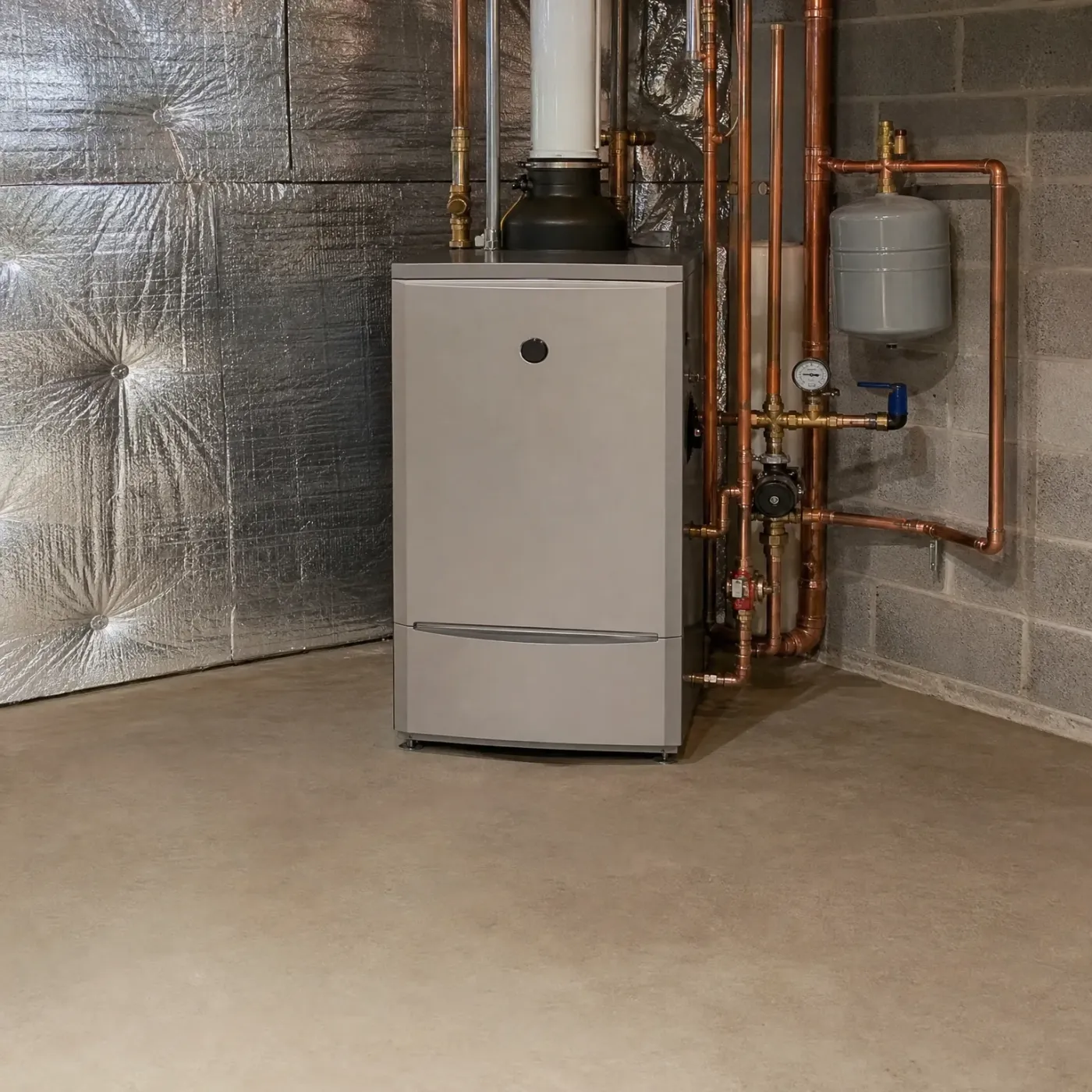
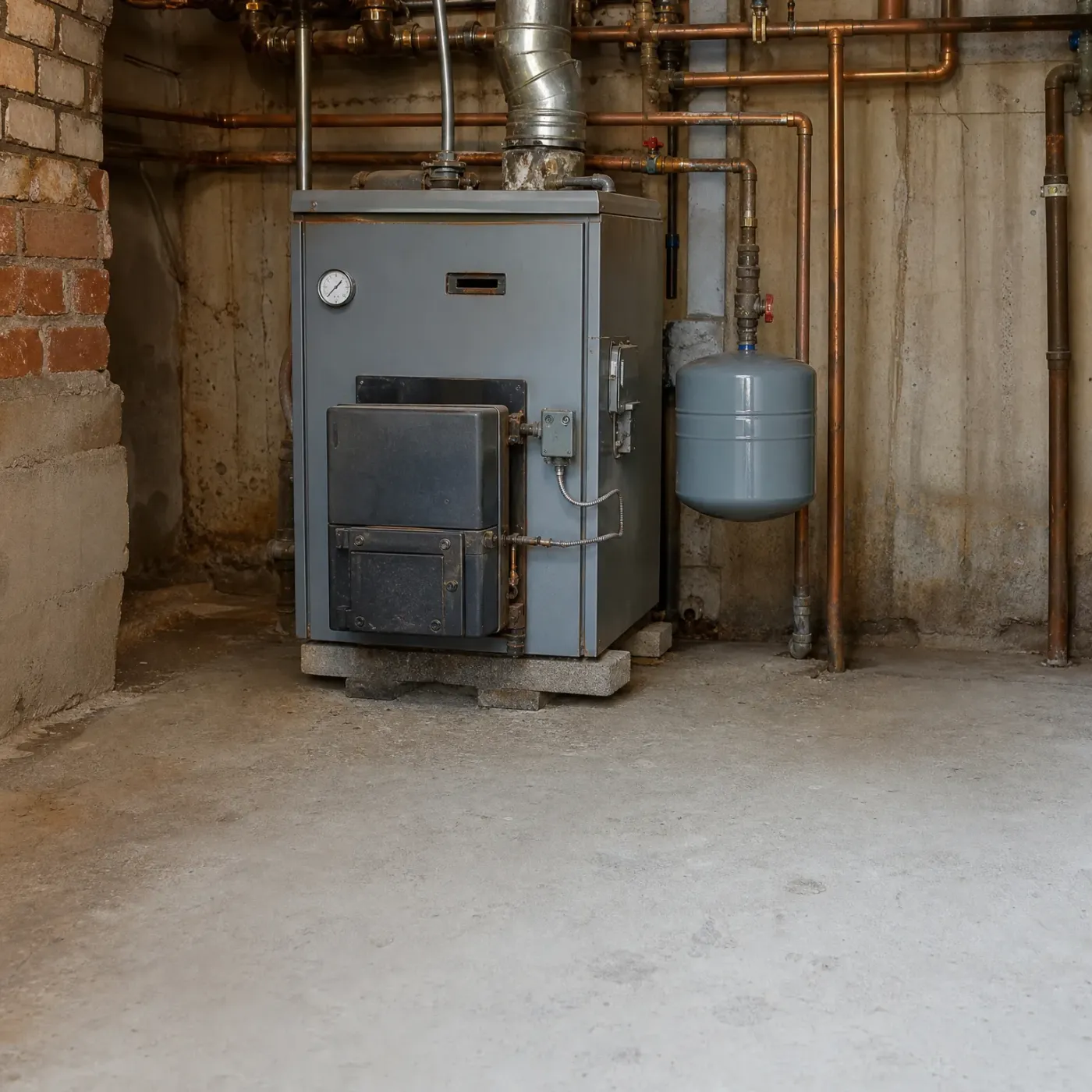
Water fills the boiler and the burner fires to heat it
A circulator pump pushes hot water out through the supply pipes
Water runs through baseboard or radiant loops and gives off heat
Cooled water returns to the boiler through the return line
Why does my boiler keep shutting off and coming back on?
Short cycling means the burner fires, runs for a couple of minutes, then quits before the water even gets hot, and starts the whole thing over. The aquastat might be set wrong or failing, telling the burner to stop too soon. Low water pressure does the same thing, since the boiler won't fire if it thinks there isn't enough water in the system. A clogged heat exchanger can also cause it, because heat builds up too fast and trips the limit switch before the house gets warm. A contractor who works on boilers can check the pressure and the aquastat first, since those are the cheaper fixes, before looking at the exchanger itself.


A licensed installer who works in Broward County gets your project.
Get matched with a pro who works on boilers in Broward County.
Sending the form costs nothing.
That's the typical working life of a residential boiler. Past that range, the heat exchanger and other internal parts wear thin, and replacement becomes the more reliable move.
Broward winters rarely push a boiler past a light workload, so a unit here can show its age in leaks and rust well before it's logged many hard hours.

A boiler on its way out doesn't fail all at once. It shows up on the electric bill, since most backup heat in a Fort Lauderdale home runs on electric strips that kick in when the boiler can't keep up. It shows up in the rooms that stay cold no matter what the thermostat says. And it shows up as a repair bill every few months instead of once.
If your boiler is old enough that you're already weighing this question, it's worth getting a second opinion from someone who actually works on these units in Broward County, since they're uncommon enough here that not every contractor sees them regularly. A local contractor who does can tell you in one visit whether what you're looking at is a boiler worth fixing or one worth replacing, and you'll hear from just that one contractor, not a handful competing for the job.

58°F is a mild ask. Your boiler only has to push the house up a few degrees before it shuts back off, not fight a hard freeze all night. A unit in decent shape handles that without strain, which is why a struggling one usually means something's actually wrong, not just overworked.
NOAA nClimDiv 1991-2020
The question comes down to what's actually wrong. A cracked valve, a bad circulator, a faulty aquastat, these are parts that fail on their own and get swapped out without touching the rest of the system. A cracked heat exchanger is different. So is a boiler that's already past 15 to 20 years old, where the parts wearing out are the ones that make the whole unit work. Fort Lauderdale doesn't ask much of a boiler most winters, nights in the high 50s that need a few degrees of lift and nothing more. A unit that struggles with that isn't being asked to do something hard. It's telling you something's wrong, whether that's rust working through the jacket or a burner that won't hold a steady flame.
None of this is a guess you have to make alone. A contractor who works on boilers in this area every winter has seen which of these failures shows up most, and what it looks like before it gets worse. That's the kind of read that's hard to get from a manual or a guess over the phone. When you're matched, it's with one contractor who takes the time to look at your actual unit, not a handful of companies calling about the same job. One visit, one opinion, and a clear answer on whether what you've got is worth fixing or worth replacing.
Find a boiler installation pro in Broward County