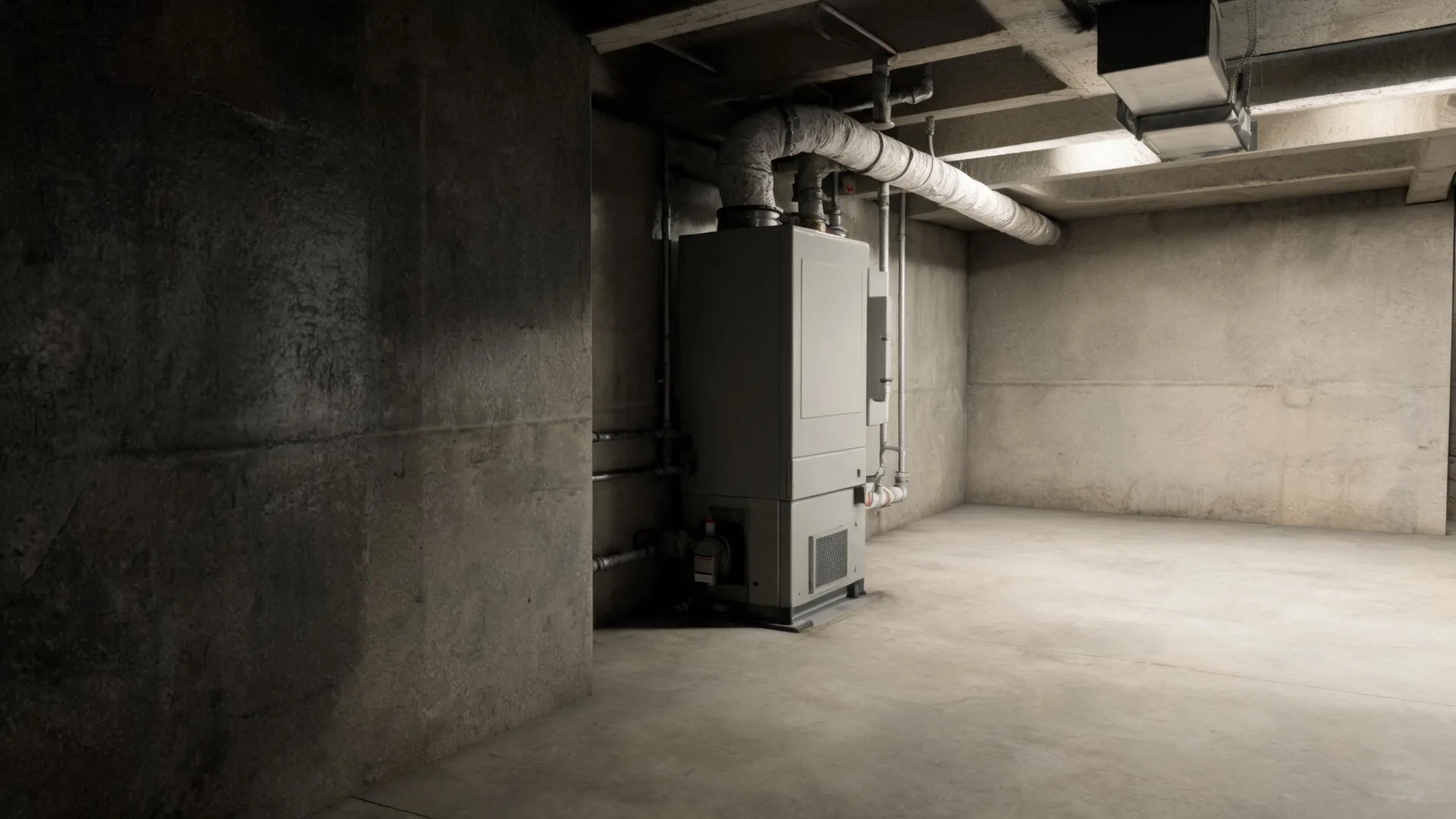
Tell us about the job
Takes about a minute. No obligation.
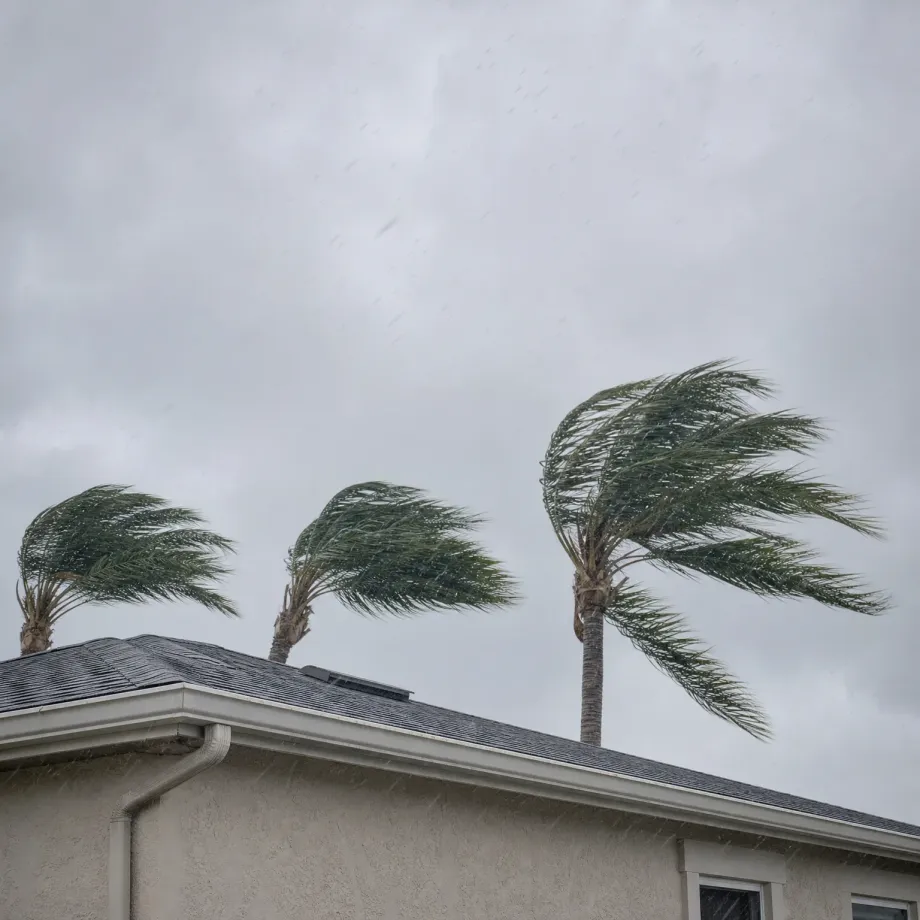
A boiler repair in St. Lucie County starts with a contractor working out how much the system has already been asked to carry. 55 severe weather events were recorded in St. Lucie County, Florida between 2015 and 2024. At that rate, severe weather is a standing feature of the operating environment, and the components most exposed to load swings, such as heat exchangers, pressure relief valves, and circulator pumps, tend to show it. A contractor here does not treat storm load as an incidental factor when tracing a fault. It shapes which parts get inspected first and what a realistic repair scope looks like.
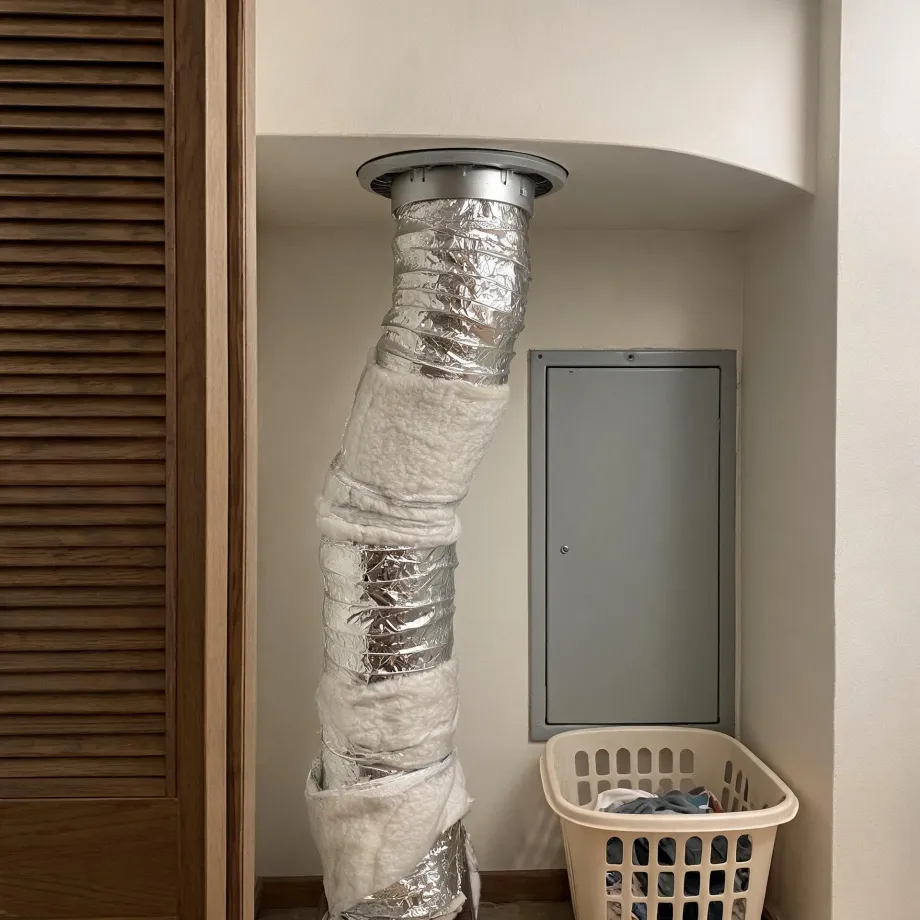
Half the homes in St. Lucie County, Florida were built in 1996 or earlier (2020-2024 ACS 5-year). A boiler installed into housing of that age has been running long enough that what a contractor finds inside the opened unit tends to be the whole question: not the building around it, but whether the specific valves, seals, or heat exchanger components that system takes are still in production. Stock this recent was built for infrastructure that can accommodate modern equipment without retrofit, so the house rarely generates the complication. The repair lives in what the opened boiler actually contains and what the supply chain still carries for it.
The Parts of a Boiler a Contractor Checks First
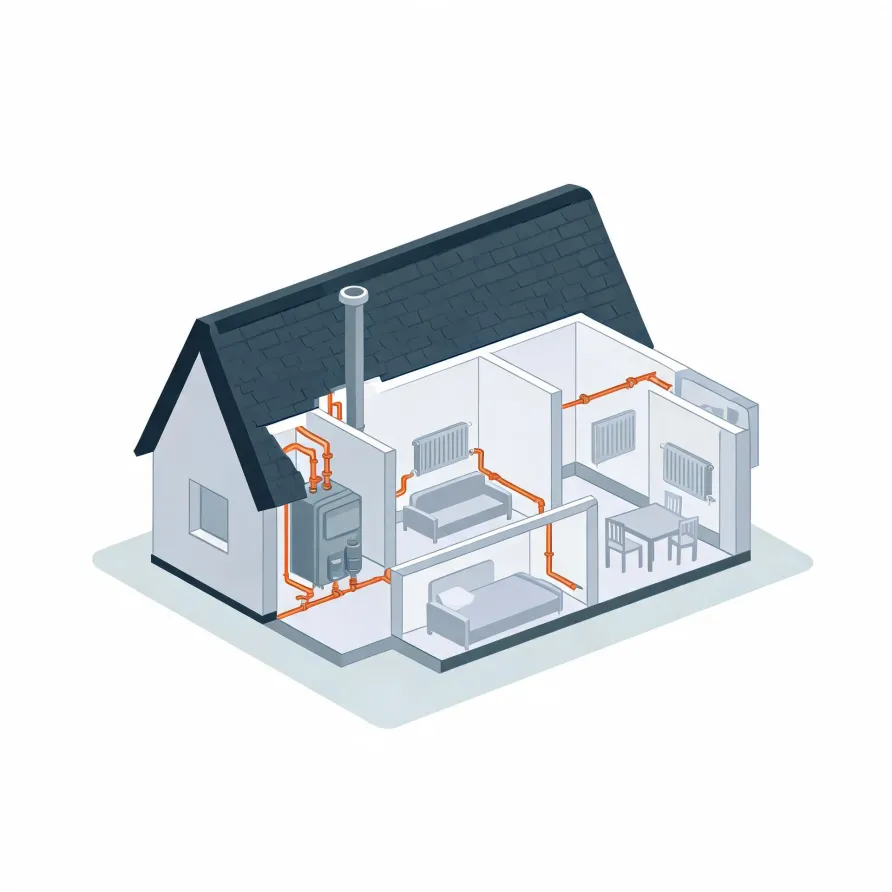
The boiler itself sits in a utility room, basement, or mechanical closet and is the unit that heats water and sends it out through the system. When heat stops reaching a room or the system short-cycles, a contractor starts here, looking at the heat exchanger, burner, and controls for the fault.
Radiators or baseboard units sit in each room and release heat from the water circulating through them. The circulator pump, expansion tank, and pressure relief valve all live close to the boiler and each one can be the source of a leak, pressure problem, or circulation failure.
The drawing shows a typical boiler layout, and a licensed contractor will determine which parts and conditions apply to your specific home.
Get matched in St. Lucie CountySt. Lucie County, by the numbers
55 severe weather events were recorded in St. Lucie County, Florida between 2015 and 2024.
NOAA National Centers for Environmental Information, Storm Events Database, bulk CSV export, events 2015-01-01 through 2024-12-31.Half the homes in St. Lucie County, Florida were built in 1996 or earlier (2020-2024 ACS 5-year).
U.S. Census Bureau, 2020-2024 American Community Survey 5-Year EstimatesSt. Lucie County, Florida holds 160,146 housing units (2020-2024 ACS 5-year).
U.S. Census Bureau, 2020-2024 American Community Survey 5-Year EstimatesOwners occupy 78.6% of the occupied homes in St. Lucie County, Florida (2020-2024 ACS 5-year).
U.S. Census Bureau, 2020-2024 American Community Survey 5-Year EstimatesBoiler & HVAC Repair Rules on Record for St. Lucie County, Florida1 codes, standards & licensing rules
Licensing Rules for HVAC Repair in St. Lucie County, Florida
Florida requires a person to be certified or registered in order to engage in the business of contracting in the state.
Severe Weather Events in St. Lucie County
St. Lucie County's weather puts real load on boiler systems, and that load shows up in repair frequency over time. Knowing what local conditions look like gives a clearer picture of why boiler service here is not the same job it is somewhere else.
55 severe weather events, 2015–2024. Source: NOAA National Centers for Environmental Information, Storm Events Database.