


FL Boiler Service

Boiler pilot light out in Miami, FL

Skip the search

A boiler with no pilot isn't an emergency to most companies, which means you're the one chasing it down. In Miami-Dade, boilers aren't the common setup, so not every outfit that answers the phone actually works on them, and you can lose a stretch of calls just finding out who does. Rather than ringing around and repeating the same description of your unit to five different offices, then weighing quotes that aren't even for the same scope of work, you can ask once here. This goes to a licensed contractor local to the Miami area who deals with boilers on a regular basis, not someone learning yours on the fly. One contractor means one conversation, not a stack of callbacks from companies competing for the job. You explain it once, to someone positioned to actually take it on.

Why did my boiler's pilot light go out?

A pilot light that's gone out usually points to one of a few things: a draft blowing across it, a dirty or misaligned pilot orifice, or a thermocouple that's stopped sensing the flame correctly. You relight it and it holds for a while, then goes out again, which tells you something is wearing down rather than a one-time fluke.

Most often it's a worn thermocouple or a dirty pilot orifice

The thermocouple is a small sensor that sits in the pilot flame and tells the gas valve the flame is lit. Once it wears out or gets coated with soot, it stops reading the flame correctly and the valve shuts off the gas, even though the pilot was burning fine a minute before. A dirty or partly blocked orifice does something similar by starving the flame until it's too weak to keep the thermocouple warm. In a Miami-Dade home, where the boiler is mostly idle through the mild winters here, a part like this can sit unused for months and fail quietly, so the first sign you get is the pilot going dark again.

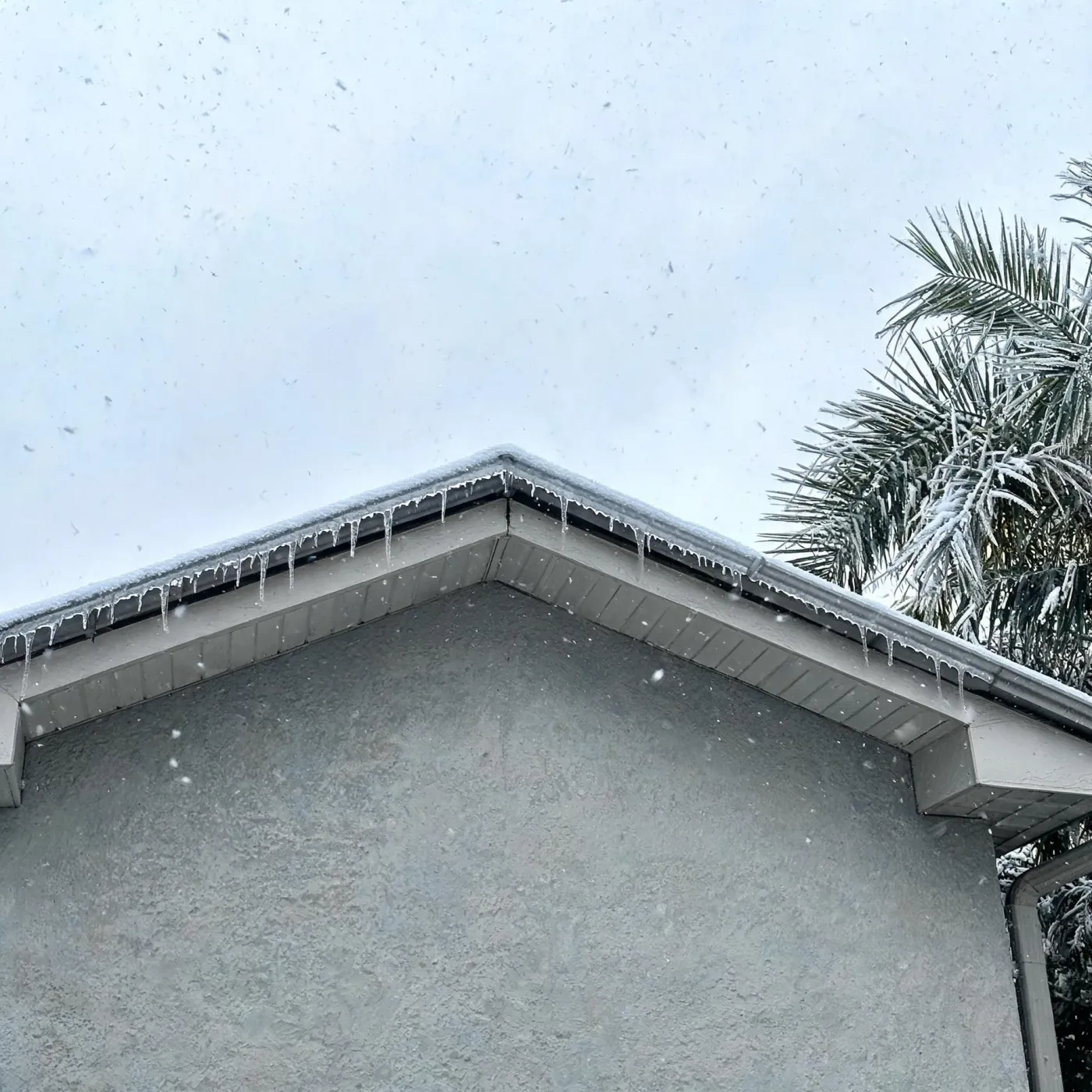
The gable end of a stucco house with icicles hanging from its snow-dusted roof edge, with a snow-covered palm frond at right and falling flakes against a pale sky.

Winter nights in Miami-Dade average 59°F, according to NOAA climate data. That's mild, but it's enough for a boiler to cycle on through the night, and a pilot that's already struggling with a draft or a dirty orifice is more likely to quit during those cooler hours than in July. If yours keeps going out between December and February, that's when you'll notice it most, when you wake up to a cold house instead of a warm one. The mild winters here mean the pilot gets less steady use overall, which can let small problems sit unnoticed until a cold night brings them out.

NOAA nClimDiv 1991-2020

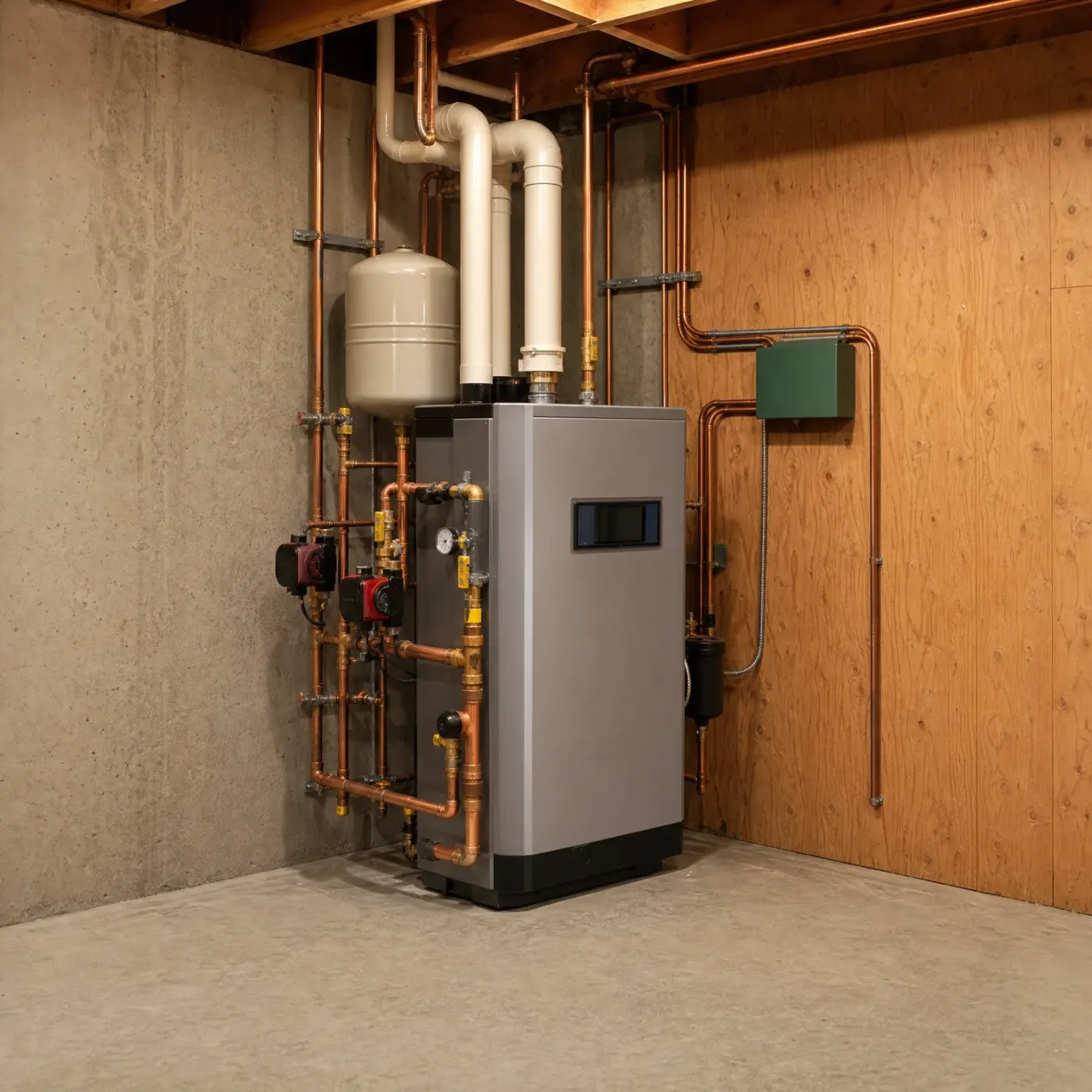
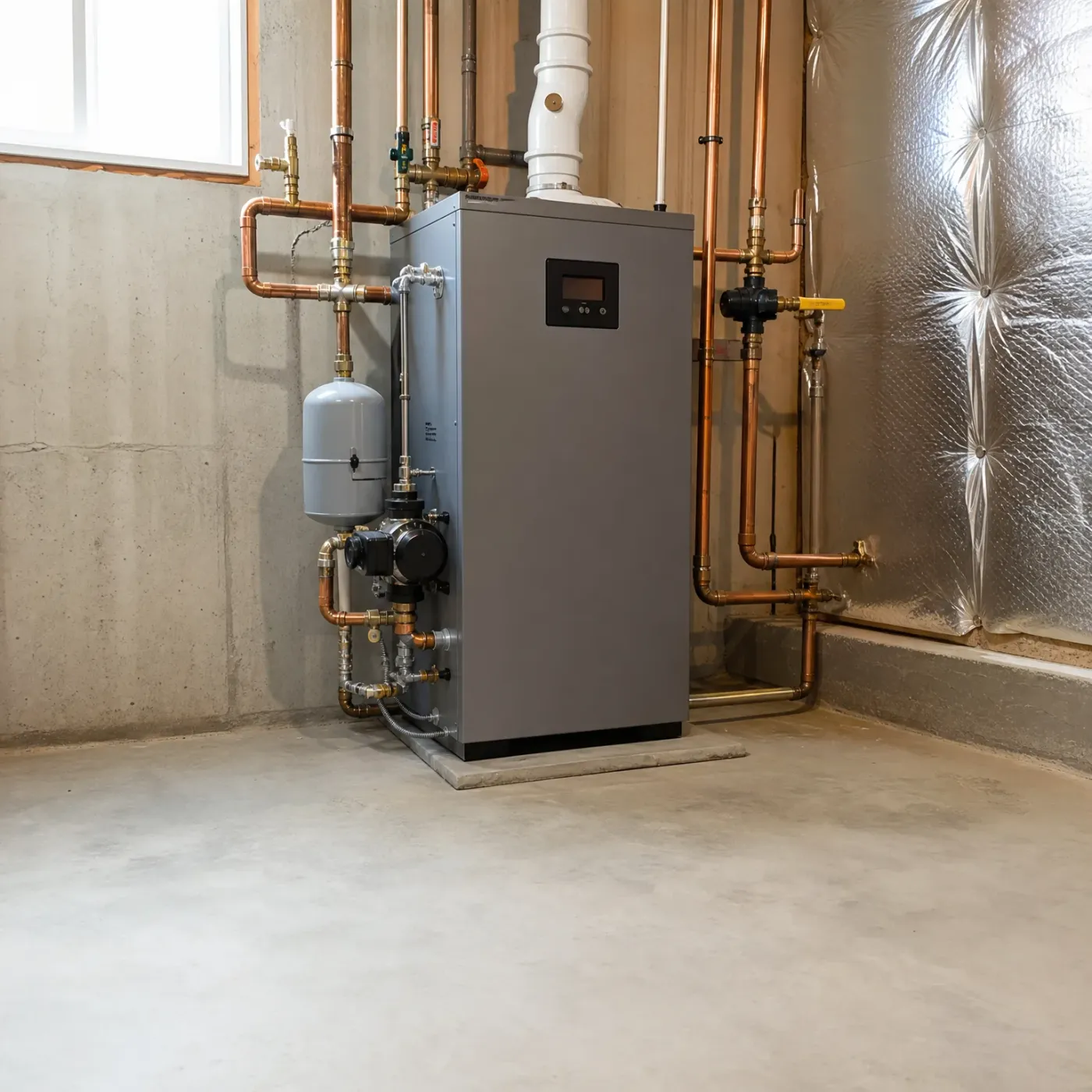
A gray boiler unit with a digital display stands on a concrete basement floor, connected to copper piping, a gas valve, a circulator pump and an expansion tank, beside a concrete wall and foil-faced insulation.
A boiler like this stays lit because the orifice is clean and the thermocouple reads the flame correctly, cycle after cycle.
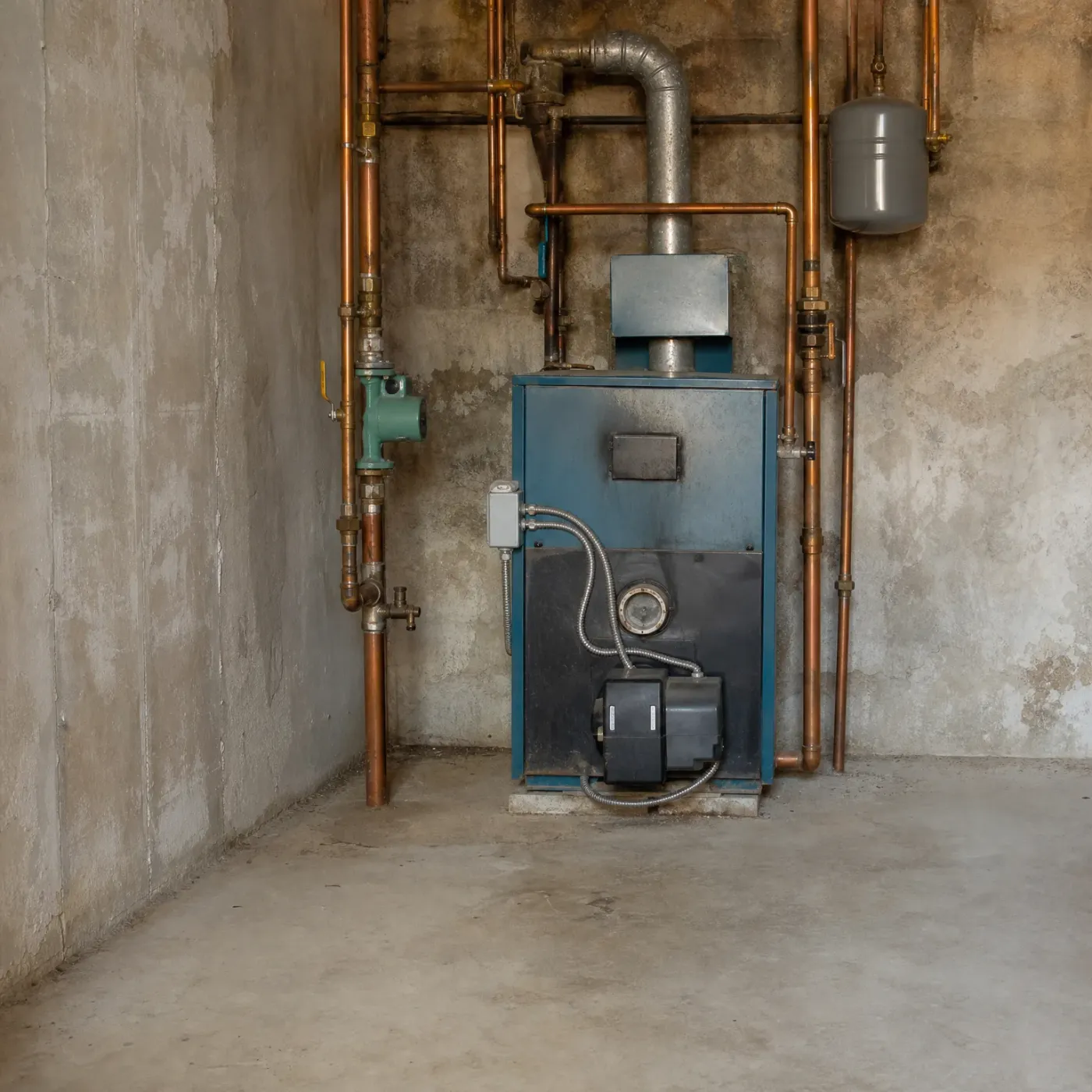
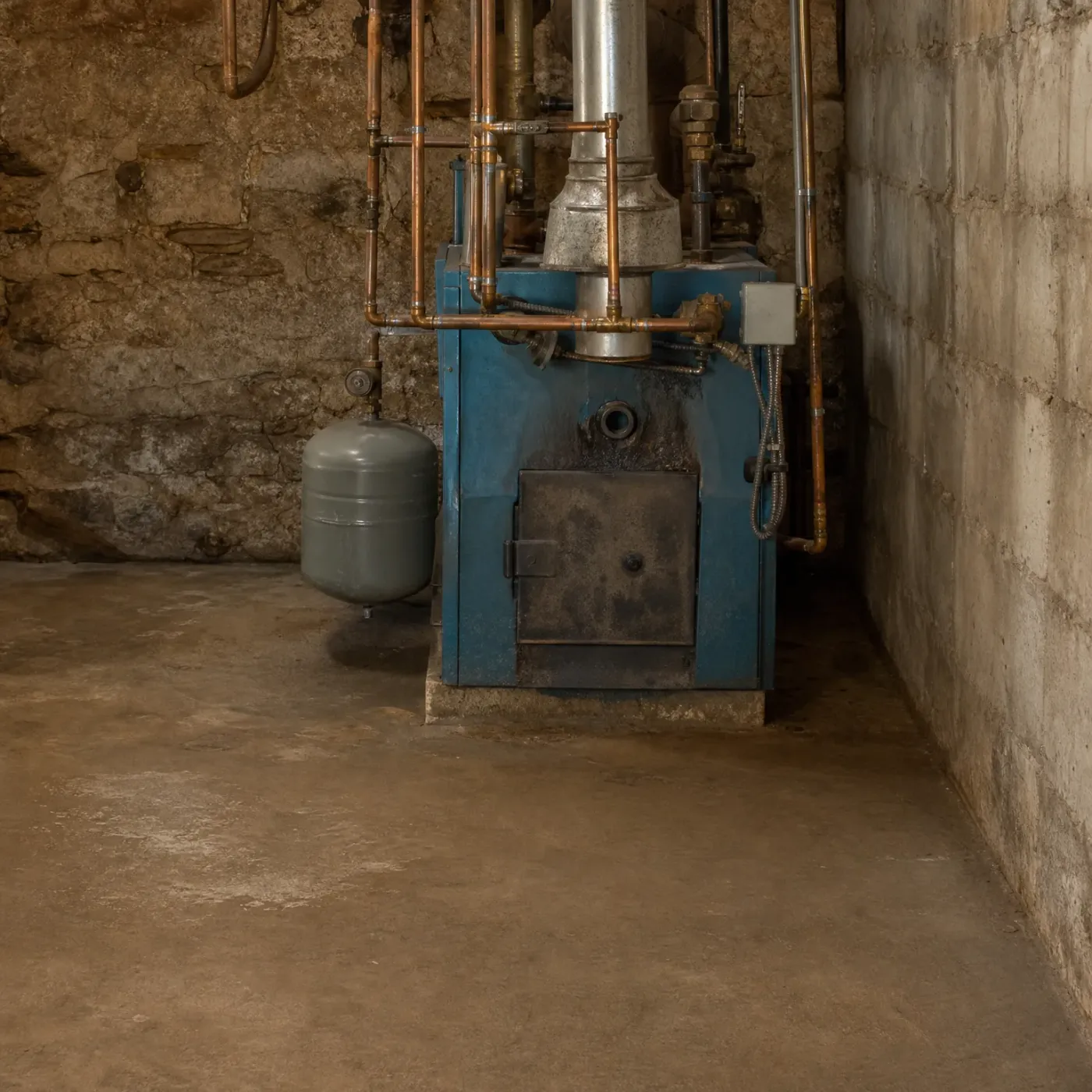
A blue cast-iron boiler with a metal flue pipe and copper piping stands against a stone and concrete block basement wall beside a gray expansion tank on a bare concrete floor.
An old unit with a corroded access door and a worn thermocouple will keep losing its pilot until someone replaces the part.

How the Pilot Actually Stays Lit

  • The thermocouple is a small rod sitting right in the pilot flame, and it sends a tiny electrical signal to hold the gas valve open.
  • If that signal drops because the flame isn't touching the rod right, the valve closes and shuts the gas off within seconds.
  • A pilot orifice clogged with dust or soot starves the flame down to a weak flicker that can't heat the thermocouple enough.
  • Relighting it without fixing what put it out just buys a few hours or days before the flame drops out again.
  • A bent or corroded thermocouple can read a flame correctly at first and still fail once it heats up further.
  • Soot around the pilot assembly usually means the orifice or the gas mixture needs a look, not just a relight.

The pilot assembly only has a few parts, but they have to work together in order. Gas feeds through the orifice to the pilot, the flame burns against the thermocouple, and that rod generates a small electrical current as long as it's sitting in steady heat. That current is what holds the gas valve open. Nothing mechanical is holding the valve, it's purely the thermocouple telling the valve the flame is real. Pull the rod out of the flame, or let the flame shrink down to a flicker, and the signal drops fast. The valve reads that as no flame and shuts the gas off, usually in under a minute. That's why relighting a pilot that goes out on its own doesn't really fix anything if the orifice is still dirty or the thermocouple is still out of position. The flame might hold for a few hours, maybe a couple of days, then drop out again the same way. Soot stains around the pilot housing are usually a sign the orifice needs cleaning or the gas mixture is off, not something a relight handles. A thermocouple can also fail in a way that's harder to catch: it reads the flame fine when it's cool, then loses contact once it's been running a while and has expanded or shifted slightly from corrosion. That's the kind of failure that looks random until someone checks the rod itself.

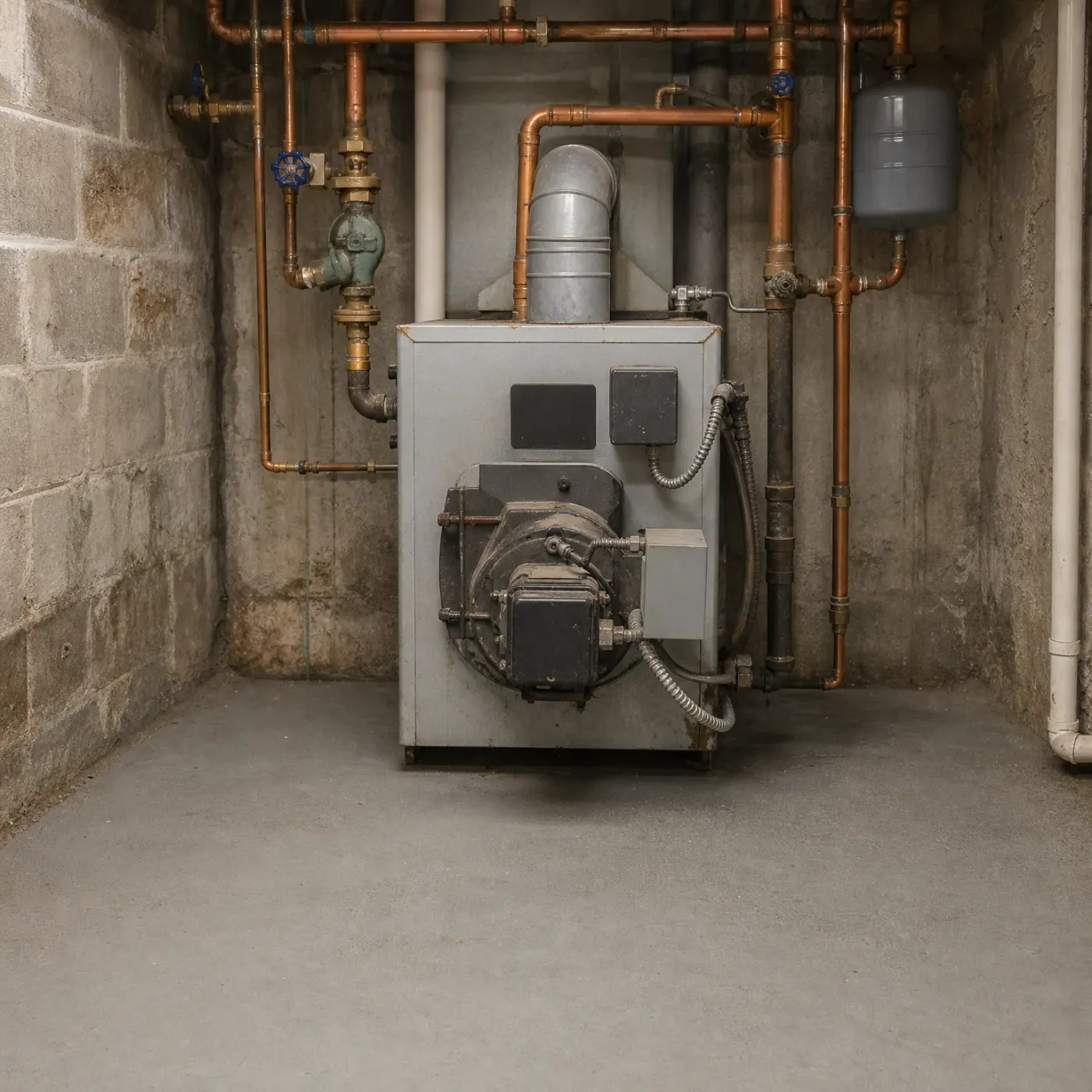
A gray boiler with a flue pipe and burner unit stands against a concrete block basement wall, surrounded by copper and steel piping, valves, and a gray expansion tank, on a bare concrete floor.
Before you get your boiler repair
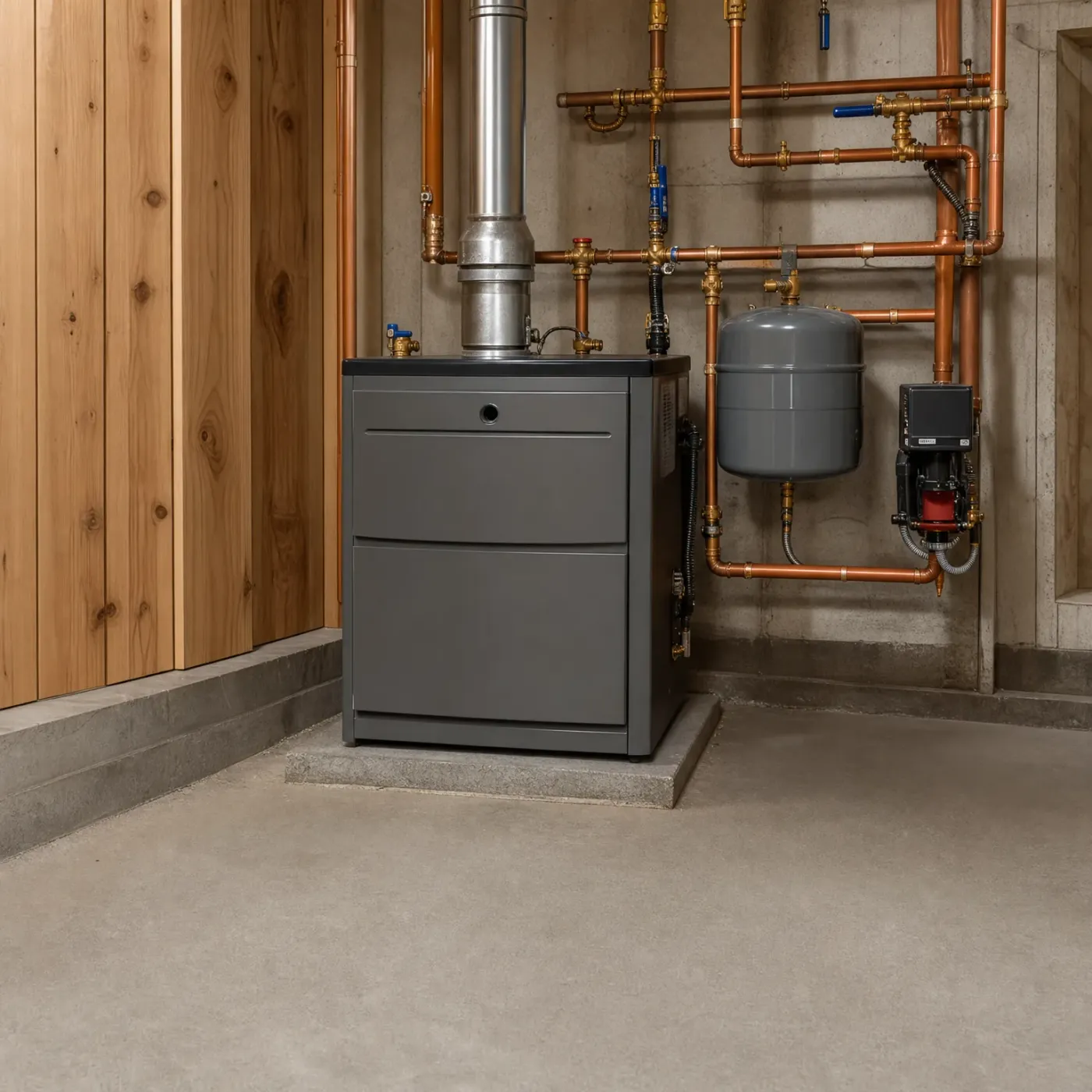
A gray boiler on a concrete pad in a basement, with a metal flue pipe and copper piping, brass valves, a gray expansion tank and a circulator pump mounted on the concrete wall beside wood paneling.
After you get your boiler repair

No calling every shop in Miami-Dade County

The pro who gets in touch is licensed in Florida and works in Miami-Dade County.

You're not committing to anything by asking.

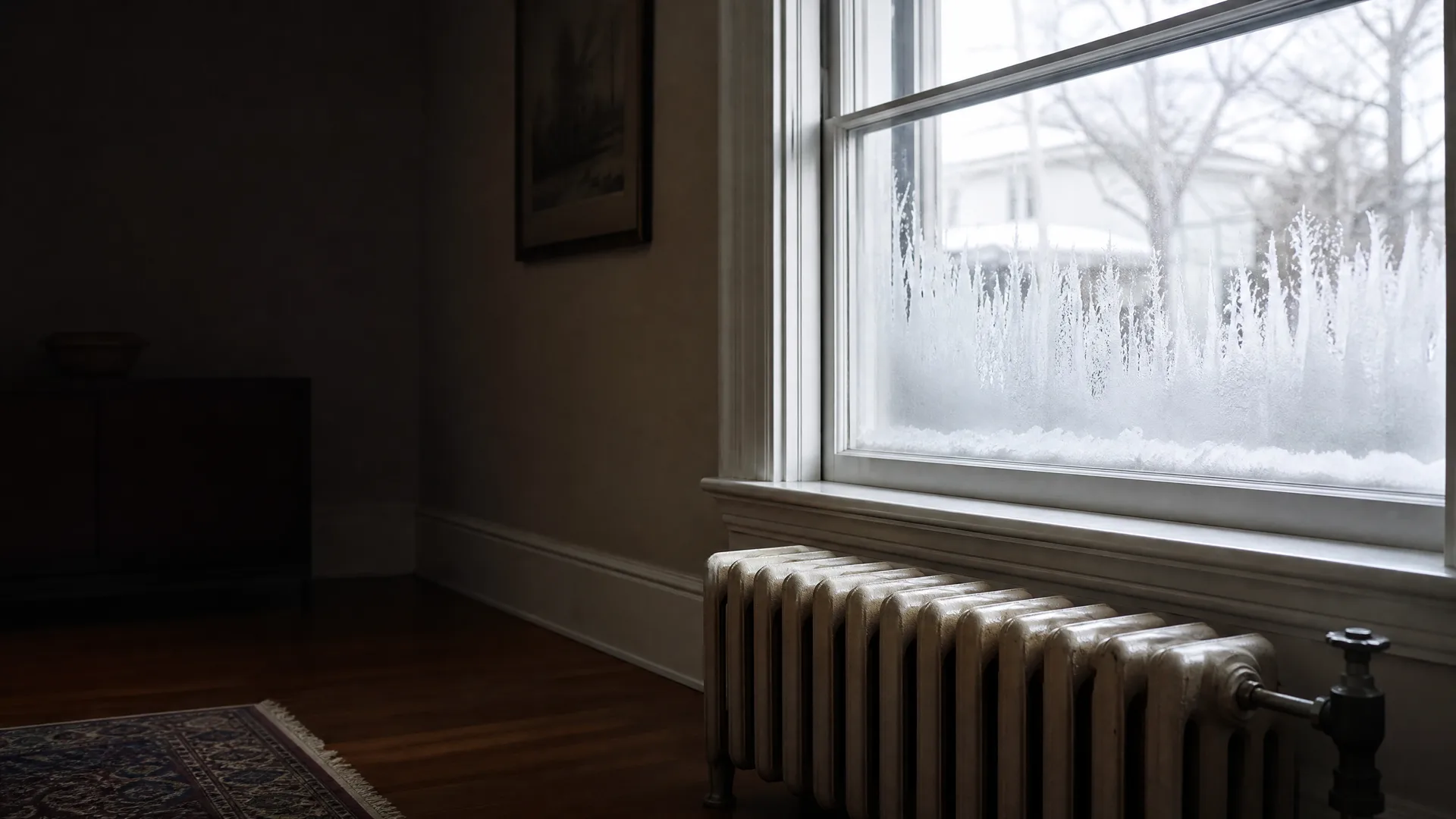
A cast-iron radiator with a valve sits beneath a frost-covered window in a dim room with dark wood floor, a patterned rug, a framed picture, and a low cabinet.

It's a little past six on a January morning, still dark outside, and the house is cooler than it was when you went to bed. You walk past the radiator under the living room window and rest a hand on it out of habit. Nothing. The cast iron is cold, same temperature as the air around it. A thin ring of fog sits on the inside of the glass above it, the kind that only shows up when the room's lost its warmth overnight. You crouch down by the boiler access door and look for the small blue flame that's usually there. It's out.

A closed silver laptop and a ceramic mug of dark coffee sit on a wooden table in front of two chair backs, with a kitchen counter, tiled backsplash, wooden cutting boards, a vase of greenery and a potted plant by a window behind.

A cold radiator is a call you have to start from scratch

A boiler without heat doesn't fix itself, and most households don't keep a boiler contractor's number on hand, because the thing runs fine for months at a stretch until it doesn't. So the pilot goes out on a cool morning and you're the one searching, calling a few places, explaining what the unit is and what it's doing, then doing it again for the next company because the first one doesn't service boilers at all. That's hours you don't get back before anyone has even looked at the thing.

Matching you with one licensed contractor who works on boilers in Miami-Dade skips that part. You're not fielding calls from three different companies or repeating the same description of a dead pilot to each one. Someone who services this equipment every winter here has seen a corroded access door do this before, or a thermocouple that's stopped reading the flame, and knows what to check first. The radiator comes back the same way it went cold: the pilot catches, the valve stays open, and the cast iron warms up again like it did before.

Interior corner with a beige sofa holding a dark green and a light cushion and a textured throw, a potted small-leaved tree beside a white-framed window, and a dark shallow bowl on a wooden coffee table in the foreground.
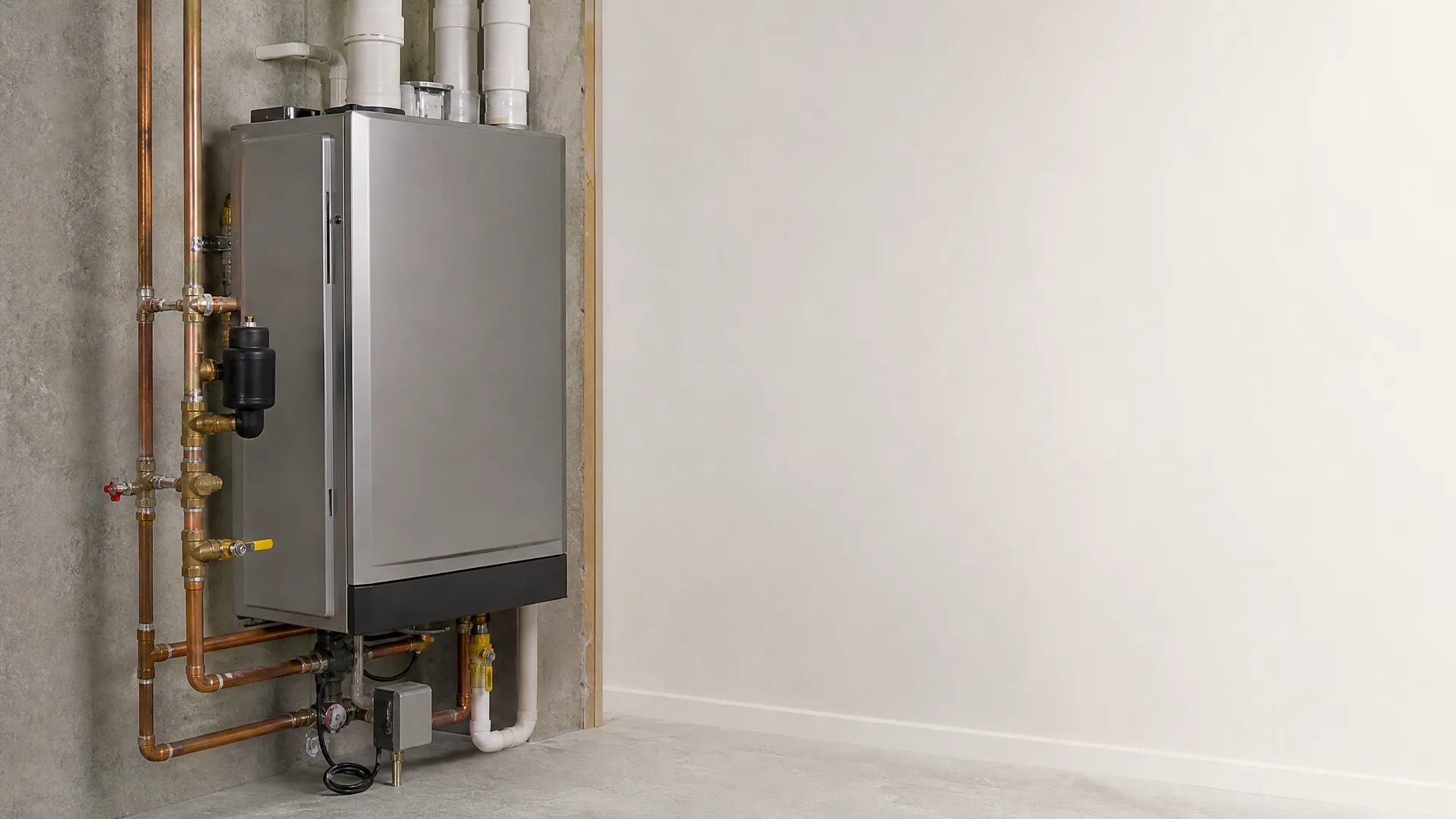
A wall-mounted grey boiler with copper pipework and white flue pipes installed against a concrete wall in an empty room with a plain pale wall to the right.

Why a draft matters so much

A pilot flame on a boiler burns small and low, nowhere near the size of a burner flame. That makes it easy to disturb. Air moving through a gap in the cabinet, a loose access panel, or a nearby vent can push the flame off the thermocouple just enough to break contact. The flame can look fine to you and still not be touching the rod where it needs to.

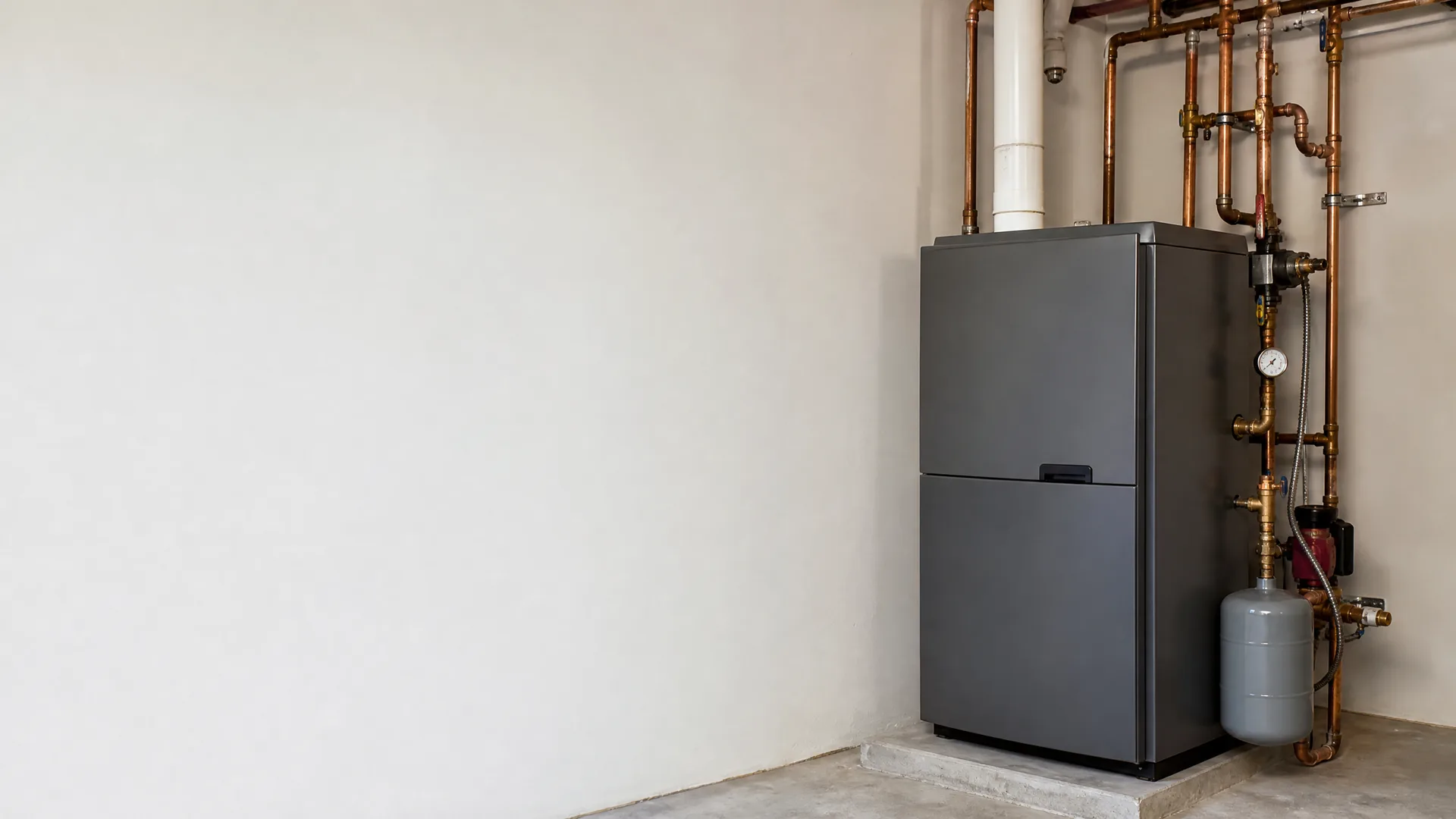
A dark grey boiler unit stands on a concrete pad against a plain light wall, connected to copper pipes, a pressure gauge, a pump and a grey expansion tank.

What a clean orifice looks like

The pilot orifice is a small brass fitting with a single tiny opening that meters gas to the flame. When it's clean, the flame burns steady and blue, about an inch tall, with the tip sitting right on the thermocouple. Dust, lint, or a speck of corrosion inside that opening changes the shape of the flame, and a flame that leans or flickers won't hold the thermocouple's reading steady.

Winter nights average 59°F

59°F isn't cold, but it's enough for your boiler to call for heat several times a night, all winter long. Every one of those cycles is another chance for a weak pilot to go out. A boiler that holds its pilot through a mild Miami winter will hold it through anything.

NOAA nClimDiv 1991-2020

Relighting it yourself

You can find the pilot assembly, follow the lighting instructions on the panel, and get the flame going again. If the draft was a one-time thing, a window left open or a gust through a cracked seal, it might hold. But if the pilot goes out again within a day or two, something is actually wrong with the orifice or the thermocouple, and relighting it over and over just delays the point where you need a part replaced. You'll also be doing this at six in the morning when the house is cold, not on your schedule.


Having someone diagnose it

A contractor who works on boilers in Miami-Dade can tell within minutes whether the pilot is out because of a draft, a dirty orifice, or a thermocouple that's stopped reading the flame. That's the difference between a fix that holds and one that sends you back to the pilot panel next week. You skip calling around to find someone who even services boilers here, since they're not the common setup, and you're not stuck explaining the problem twice to two different companies before either one shows up.

A smiling woman with dark shoulder-length hair in a cream V-neck sweater sits at a marble counter with a glass of red wine, with a kitchen and softly lit living room behind her.
A woman in a dark green sweater laughs while seated at a marble kitchen island with a glass of red wine, with open shelving, cabinets and a living room visible behind her.
A woman with long dark hair in a cream knit sweater laughs while looking off to the side, seated at a counter with a glass of red wine, in a dimly lit living room with a sofa, lamp, framed pictures and houseplant behind her.
A smiling woman with long dark hair in a beige sweater sits at a marble kitchen counter with a glass of red wine, with a dimly lit living room behind her.
A gray floor-standing boiler in a basement corner with copper piping, two red circulator pumps, a beige expansion tank, white PVC vent pipes, concrete and plywood walls.

A boiler that holds its pilot

This is what it looks like when the pilot stays lit. The orifice is clear, the pumps keep water moving through the copper lines, and the pressure gauge sits where it should. Nothing about the burner compartment has to be touched.

A blue residential boiler with a metal flue, pressure gauge and burner unit stands against a stained concrete basement wall, surrounded by copper pipes, a green circulator pump and a gray expansion tank.

A boiler that keeps losing it

This is the unit a corroded door or a worn thermocouple produces. The flue pipe and fittings look the same, but the pilot won't hold a flame through the night. Someone has to open the burner assembly and find which part stopped doing its job.

A pilot that keeps going out is telling you something specific: a draft finding the flame, a dirty orifice, or a thermocouple that's stopped reading the flame the way it should. Relighting it buys you a night, maybe a week, but it doesn't fix whichever of those is actually going on, and the cold radiator comes back. Finding someone who works on boilers in Miami-Dade isn't like finding an AC contractor, since most of the trade here spends its time on cooling systems and not every company that answers the phone has someone who knows a pilot assembly well. The contractor who picks up your request handles boilers through winters like this one, has likely seen this exact thermocouple problem in a house not far from yours, and is the only call you'll get, not the first of five. You won't need to explain the draft or the orifice twice. Your part is done once you send the request. Someone who knows this equipment takes it from there.

At dusk, a dark board-and-batten house with a standing-seam metal roof and lit entry walkway of stone pavers, with two large outdoor heat pump units on a stone-walled pad at right and trees and hills in the background.

Boiler Repair

No phone calls to make

Step 1 of 3: Equipment
  • A dimly lit living room corner with a beige upholstered sofa holding a dark green cushion and a chunky knit throw, beside a wooden sideboard with a lit ceramic table lamp, a small potted plant, and a wooden bowl, with a framed artwork on the wall and a mug on a book in the foreground.
    • Get matched with a pro who works on boilers in Miami-Dade County.
    • A Miami-Dade County pro who repairs boilers gets your request.
  • A round wooden coffee table holding a round stone vase of green foliage, a lit candle in a glass container, and a small dark bowl, with a beige sofa, cushions and knit throw behind and a window at left.
    • Send the request and finding a pro stops being your problem.
    • One request and the search for a pro is handled.
  • Sunlit living room with a wooden coffee table holding a ceramic vase of leafy branches and a carved wooden tray with two stacked books, in front of a beige sofa with tan and green cushions and a potted plant near a window.
    • Fill out one short form instead of calling around.
    • Explain the job once and skip repeating it on every call.
  • Interior corner with a lit ceramic table lamp and wooden bowl on a wood sideboard, a framed picture and branch-filled vase behind, a knit throw over an upholstered chair, and a lit candle in a glass holder, stoneware mug and round planter of green foliage on a wooden table in the foreground.
    • A licensed pro who repairs boilers in Miami-Dade County gets your request.
    • Your request stays with one local pro.