59°F overnight
That's the average low Miami-Dade sees in winter. Mild as it is, a boiler cycling through nights like that will keep tripping the same switch until someone looks at it.

A boiler that keeps shutting off is almost always protecting itself from a condition it's not built to run through. The pressure switch, the flame sensor, or a high limit switch senses something wrong and cuts power to the burner before anything gets damaged. Low water pressure is a common cause, and so is a dirty flame sensor that can't confirm the flame is lit. A clogged air intake or exhaust vent will trip the pressure switch the same way. Since most homes in Miami run their boiler for heat only occasionally, these parts can sit unused for long stretches and fail quietly, so the shutoff might be the first sign anything is wrong. The boiler isn't broken in a way that needs replacing, but it won't run safely until whatever is tripping the switch gets fixed. Left alone, it will keep shutting off every time it tries to start.
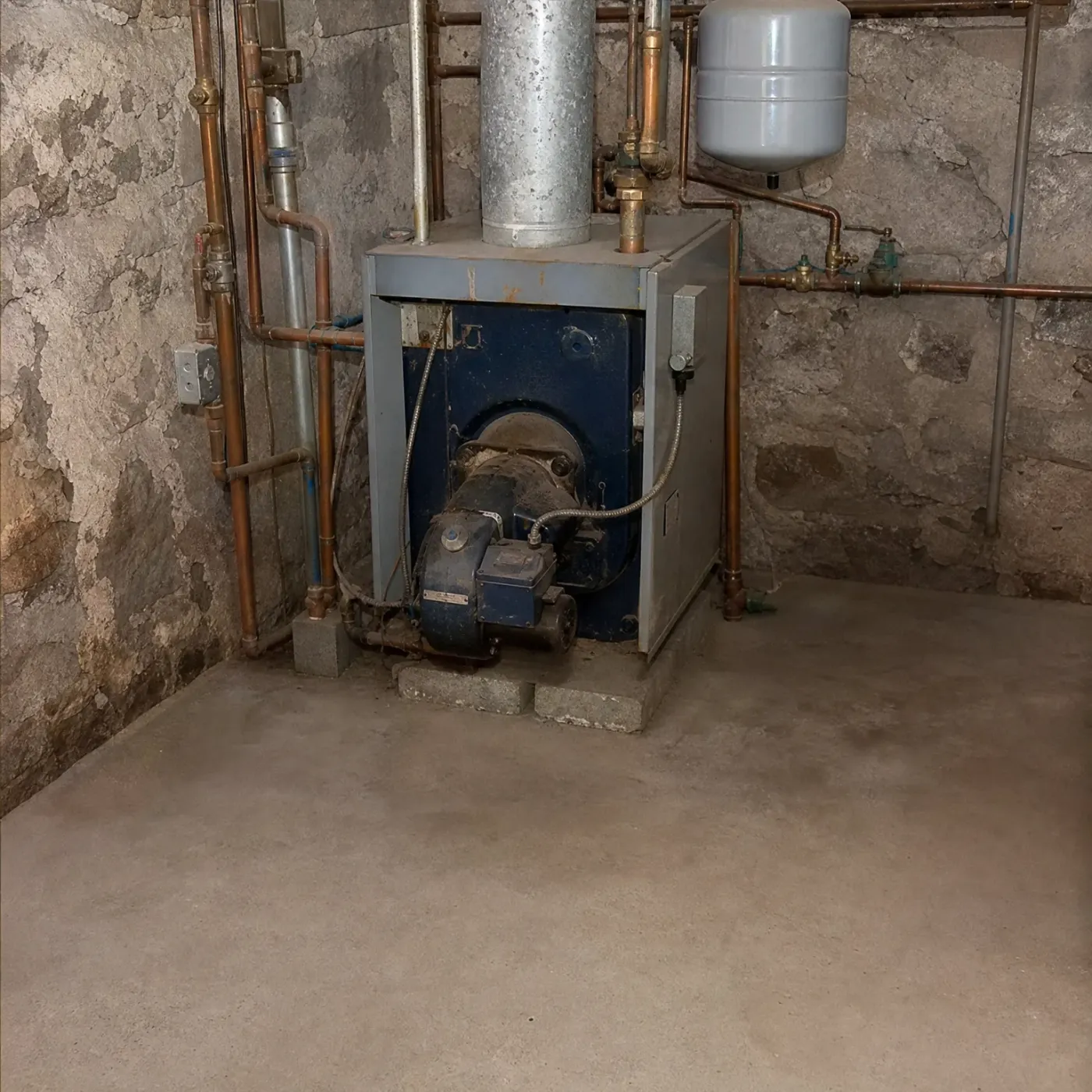
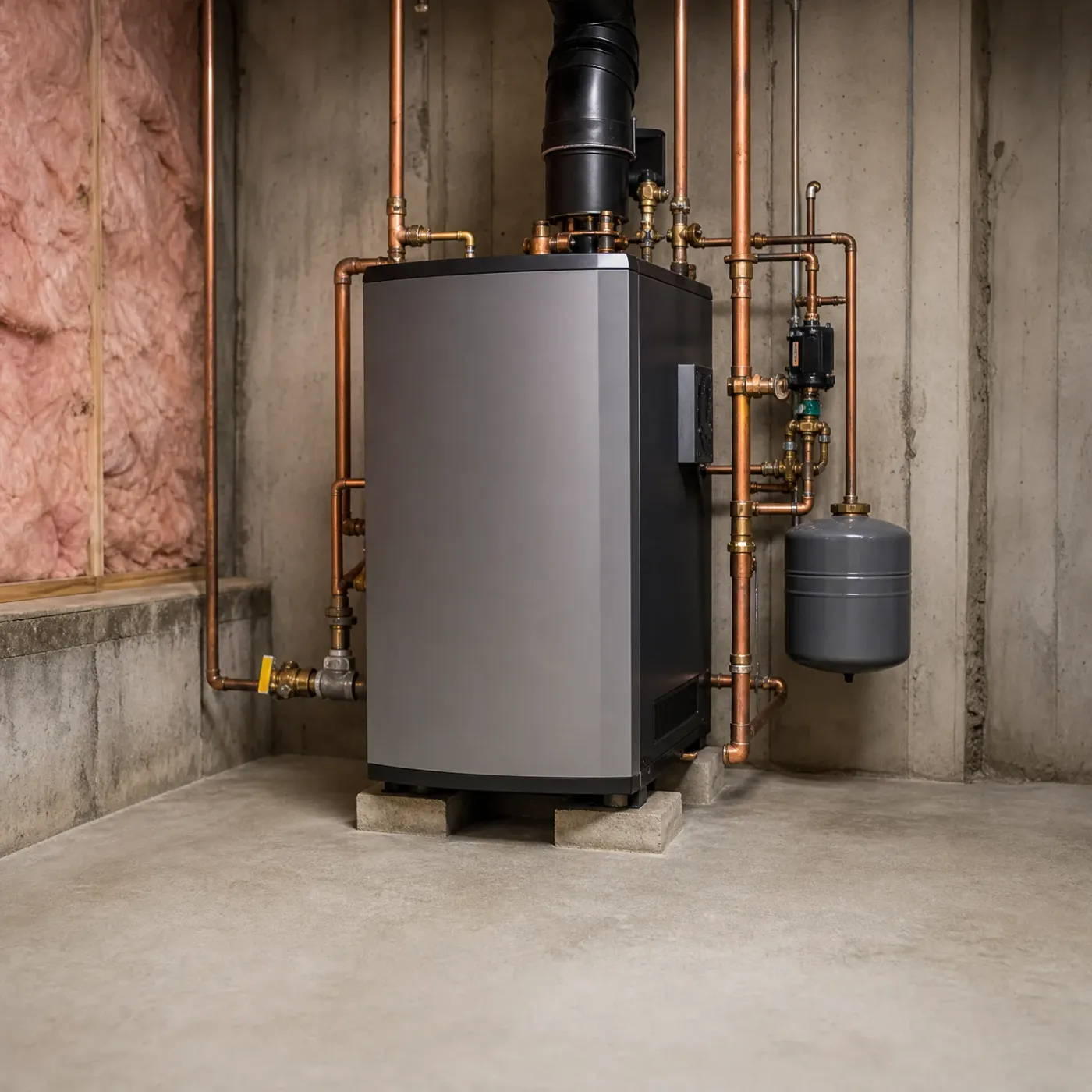
The burner shutting off is the control board doing its job. It is reading a signal from one of several safety devices and deciding the boiler cannot keep running. Pressure is one of the most common triggers. If the system loses water pressure, the switch sees it and cuts the burner before anything gets damaged. A flame sensor works the same way in reverse. Once it's coated with residue, it can't read the flame properly and the board treats that as no flame at all. Heat is another path to the same result. When water flow through the heat exchanger slows, whether from scale buildup or something blocking circulation, the water inside heats unevenly and trips the high limit switch sooner than it should. Low water cutoffs act fastest of all, stopping the burner the instant water drops below the float or probe. Even a loose connection between the thermostat and the aquastat can read to the board as a signal to stop. Each of these is the system protecting itself, not failing on its own.
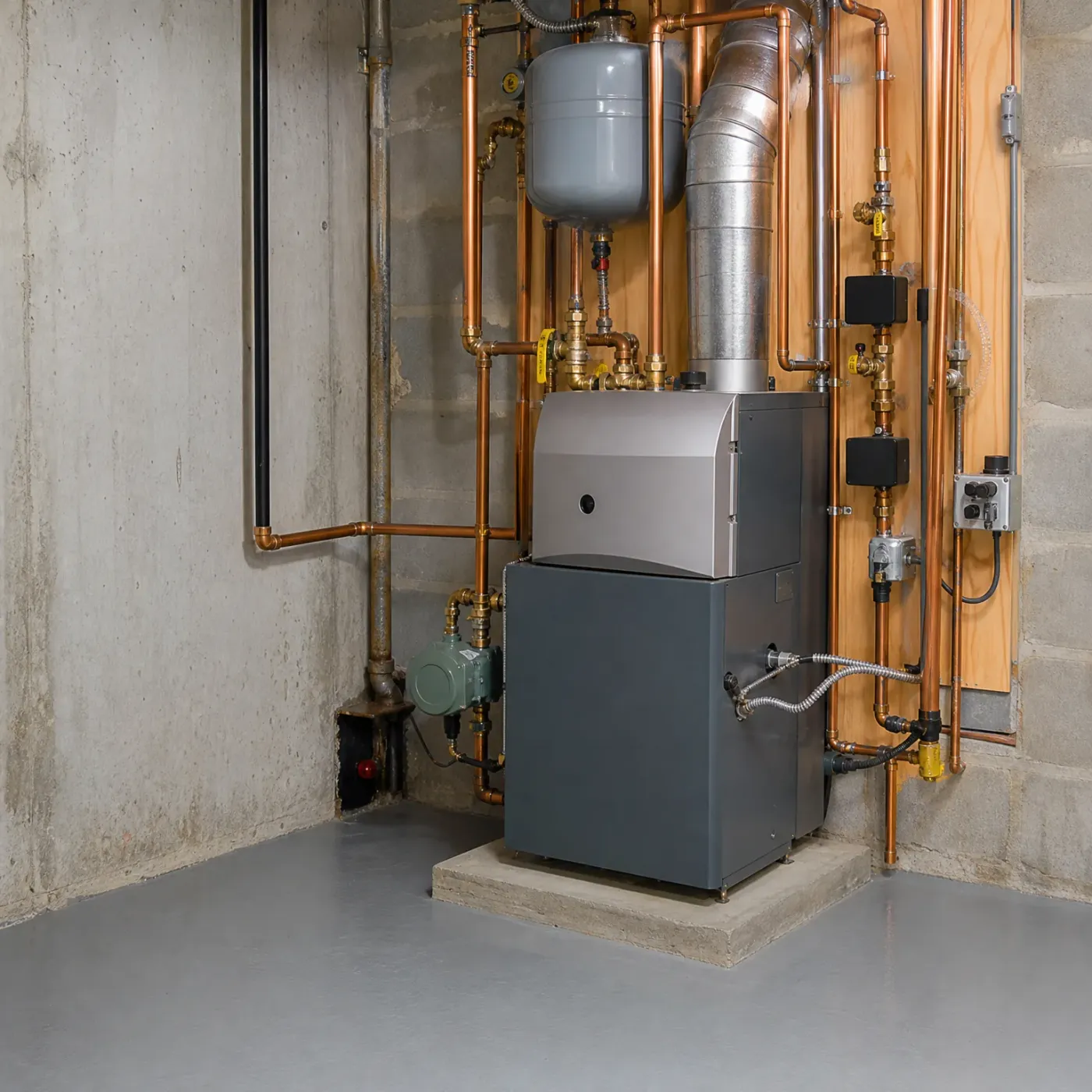
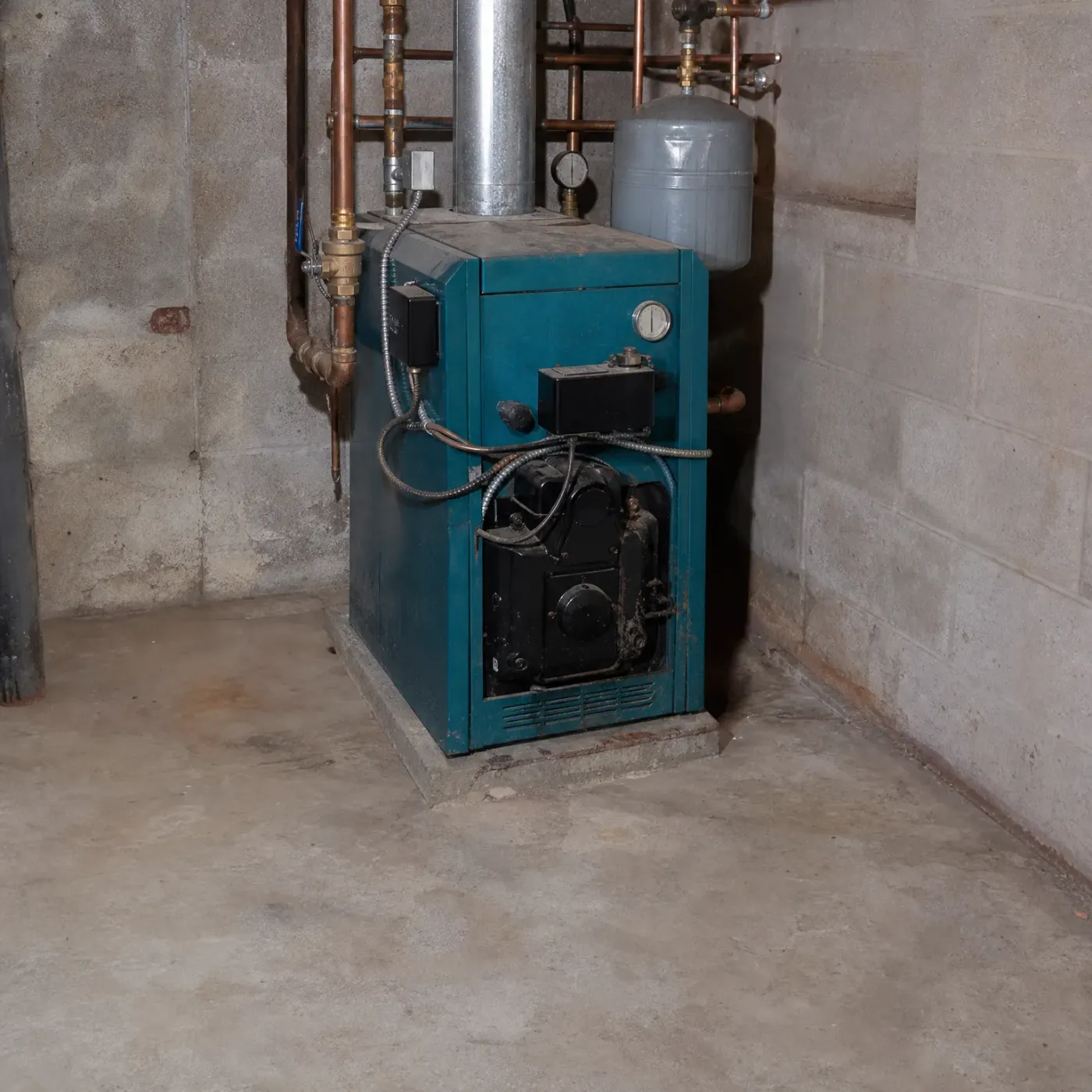
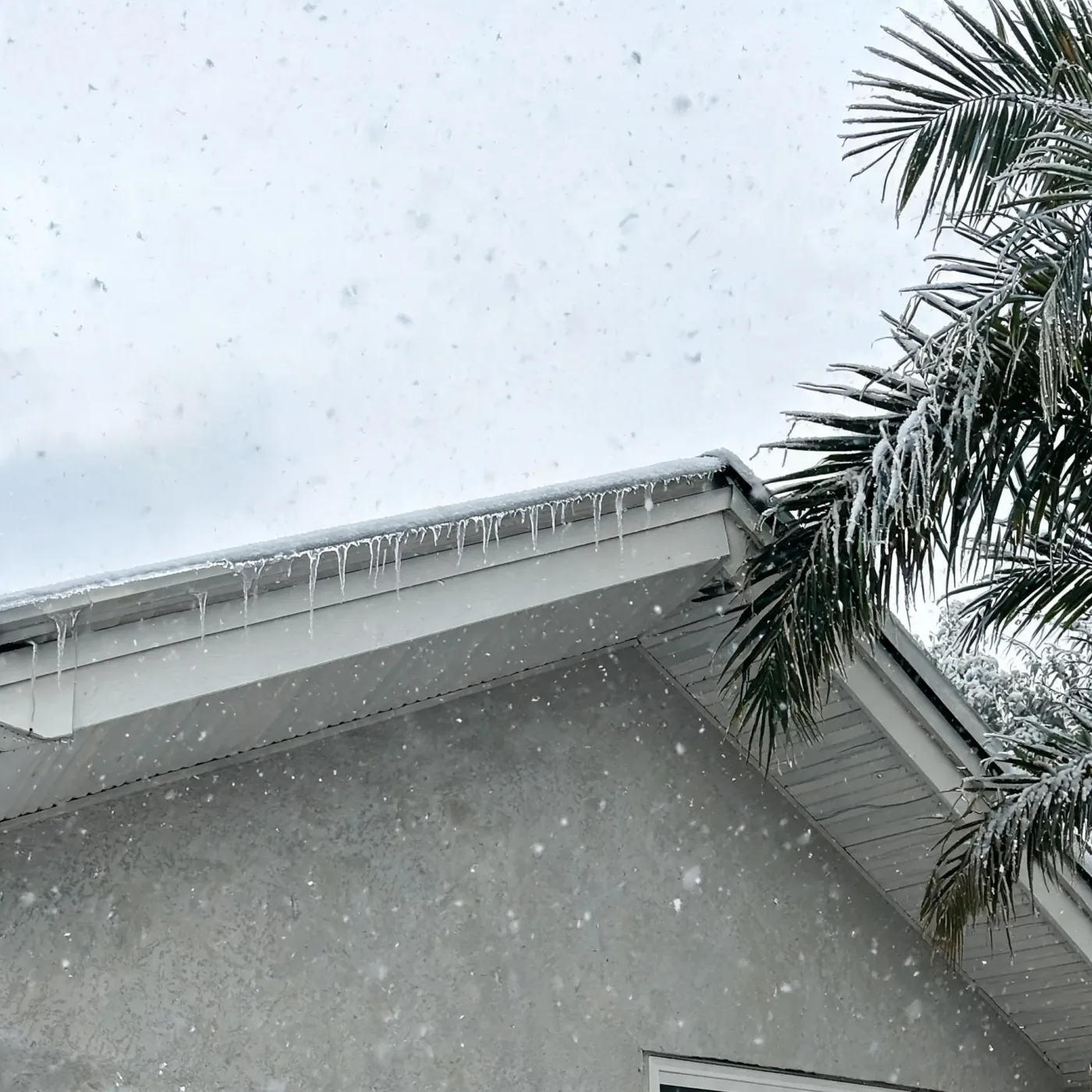
Miami-Dade winters are mild, but overnight lows still average 59°F across December, January and February, according to NOAA climate records. That's enough for a boiler to cycle on through the night, and if the pressure switch or a limit switch is already on edge, those extra run hours are what push it to shut off. A boiler that's barely holding on in October can start tripping once nights settle into the high 50s. If yours keeps cutting out this time of year, the cold isn't the root problem, but it's often what exposes one. Send the form and the search for a licensed contractor, the calls, the back and forth explaining what it's doing, stops being something you have to handle yourself.
NOAA nClimDiv 1991-2020
A boiler that shuts off once will usually do it again, and each time it does, it's one more night without heat while you wait on hold for someone to call back. In a county where most homes run on electric heat, finding a contractor who still works on boilers at all can take longer than the repair itself. You could spend an afternoon calling around, explaining the same shutdown three or four times, then sit with quotes that don't match up because no two contractors looked at the same thing. Sending the request here means that work is done. You describe it once, and it goes to one contractor instead of a list of strangers you have to vet yourself. The boiler is still cutting off tonight whether or not you make this call. The part of the problem you can hand off right now is the search for who fixes it.
A low water cutoff sits near the bottom of the boiler and watches the water level the same way the pressure switch watches pressure. If the level drops below what the float or probe is set to see, it opens the circuit and the burner stops, regardless of what the thermostat is asking for. This is a safety device, not a thermostat, so turning the heat up or down has no effect on it. Boilers that run short cycles through the night are more likely to trip a low water cutoff than ones that run long steady calls, because each restart is a chance for trapped air or a sediment-coated probe to read the water level wrong.
Boiler water carries dissolved minerals, and over years of heating and cooling, some of that settles out as sediment inside the tank and along the probe or float. A probe coated in scale can read dry even with water present, which trips the cutoff on a boiler that has plenty of water in it. A float can stick in the same way, held down or up by buildup instead of the actual water level. Neither problem shows up by looking at the pressure gauge, since pressure and water level are measured by separate parts. A contractor checks the low water cutoff on its own, apart from the pressure switch, to find which one is actually causing the shutdowns.


That's the average low Miami-Dade sees in winter. Mild as it is, a boiler cycling through nights like that will keep tripping the same switch until someone looks at it.
A low limit or pressure switch that keeps opening will keep cutting the burner. You're left checking the gauge yourself and losing heat on the nights you need it.
A night in the high 50s is enough to keep your boiler cycling on and off for hours. If a pressure switch or limit switch is already tripping, those extra cycles are more chances for it to shut down and stay down.
NOAA nClimDiv 1991-2020
You can keep resetting the boiler yourself, checking the pressure gauge each time it trips and hoping the next cycle holds.
Or someone who works on boilers can find out whether it's the pressure switch, the water level, or a limit switch doing exactly what it's supposed to do.




A boiler that keeps shutting off is doing what it was built to do. Low pressure, a dirty flame sensor, or a limit switch watching the water level, each one will cut the burner rather than let it run through a condition it isn't built for. Resetting it brings the heat back for a while, but the switch will trip again as soon as that same condition shows up, and on a cold night in Miami-Dade it doesn't take much to bring it back around. Finding out which part is behind it takes someone who can check the pressure gauge, the sensor, and the low limit in person, not another reset.
You could start calling around yourself, but most of the contractors listed for Miami-Dade work on central air and electric heat, not boilers, so the first several calls may just be a dead end. Each one means explaining the same problem again: when it trips, how often, what the pressure gauge reads. Sending the form here skips that part. You describe it once, and the search for someone who still works on boilers, along with the waiting and comparing quotes, is no longer on you. What's left is the actual repair, and that still takes someone looking at the system in person. But you won't be the one tracking down who can do it.





One form replaces the calls you'd make to find a boiler pro.
You only hire the pro if you want to.